Climate-Resilient Agricultural Landscapes in Lower Saxony
- September 25, 2026
- 2 min. Reading time

Press release from the University of Göttingen dated September 24, 2026
How can agricultural landscapes remain productive, safeguard biodiversity, and provide important ecosystem services even under the conditions of climate change? The new collaborative project “AgRe-Lab,” led by the University of Göttingen, is dedicated to addressing this question. Four other research institutions and ten partners from the fields of agriculture, nature conservation, public administration, and education are participating. The Lower Saxony Ministry of Science and Culture is funding the research consortium for six years with a total of 5.3 million euros from the “zukunft.niedersachsen” program.
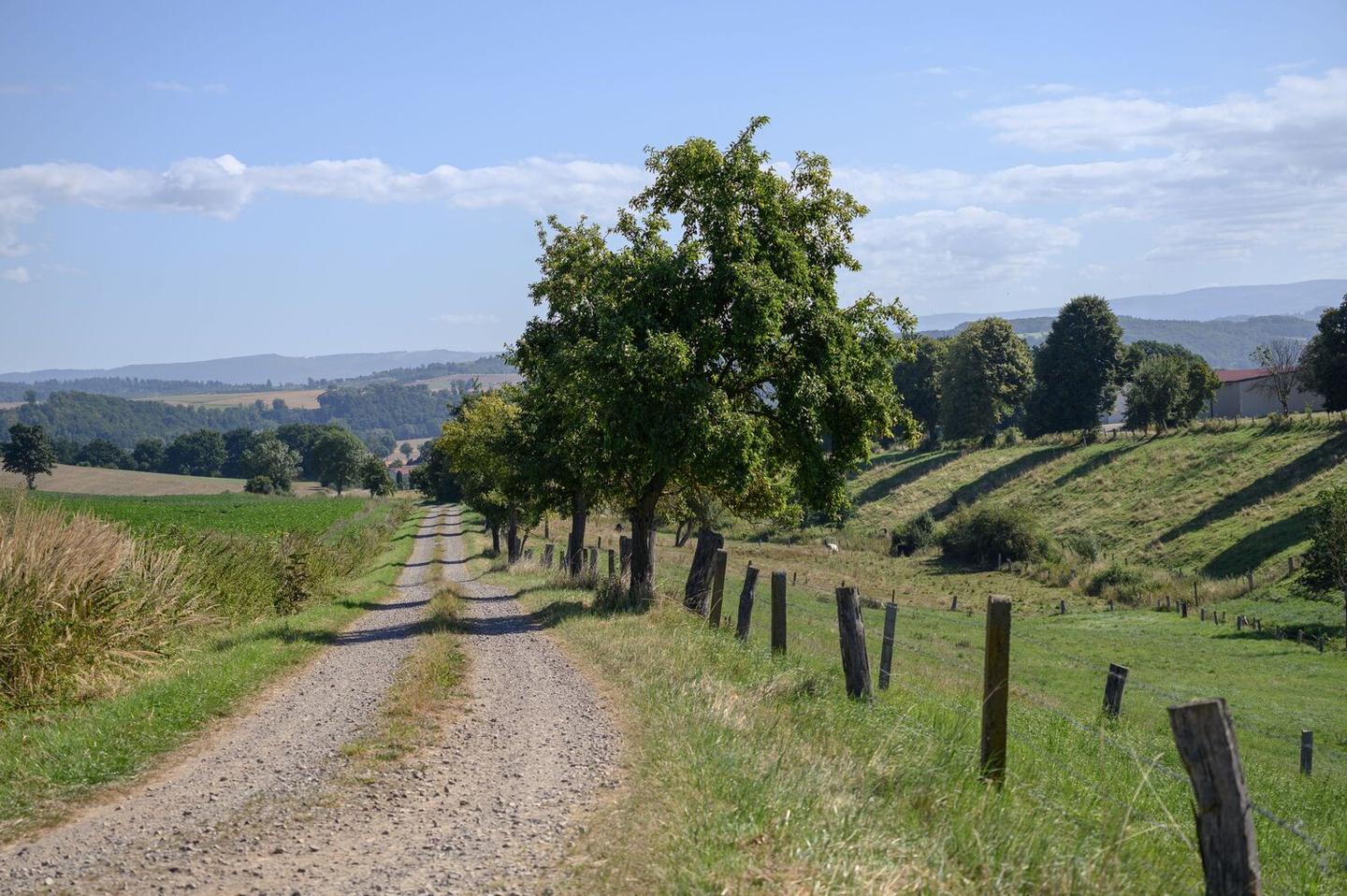
“The consequences of climate change and the loss of biodiversity cannot be addressed by focusing on individual plots of land alone,” explains the spokesperson for the collaborative project, Prof. Dr. Catrin Westphal of the University of Göttingen. “We must act at the level of entire landscapes and combine ecological insights with the knowledge and capacity for action of local people.” AgRe-Lab is therefore establishing three real-world laboratories in the districts of Gifhorn, Hildesheim, and Northeim, where twelve different agricultural landscapes will be studied in each location. An additional “Twinning Lab” in the district of Vechta will serve to test the transferability of results and, in collaboration with regional partners, explore how successful approaches can be adapted to other conditions.
The researchers are documenting key ecological functions and services of agricultural landscapes, including carbon sequestration, biodiversity, agricultural productivity, and water balance. At the same time, they are examining socioeconomic resilience, the acceptance of measures, and the conditions necessary for collective action. Scientists and practitioners are jointly refining these measures and investigating which skills, forms of cooperation, and learning processes enable long-term change. “Our goal is not only to evaluate individual measures, but to understand how ecological diversification, collaboration, and learning are interlinked,” says Westphal. “In this way, we aim to develop scientifically sound yet practical solutions that will benefit the regions in the long term.”
In addition to the University of Göttingen, the research consortium “Strengthening Climate Resilience in Agricultural Landscapes through Socio-Ecological Diversification, Co-Design, and Transdisciplinary Learning” includes the Technical University of Braunschweig, Leuphana University Lüneburg, the University of Vechta, and the Johann Heinrich von Thünen Institute in Braunschweig. The researchers contribute expertise from eight scientific disciplines. In addition, there are ten partners from the field, including farmers’ associations and ecological stations in the districts of Northeim, Hildesheim, Gifhorn, and Vechta.
“We are very pleased to welcome AgRe-Lab as the sixth Klima.Zukunftslabor at the ZKfN. The new lab complements the existing Climate Future Labs by addressing the topics of agroecosystems and agricultural landscapes—which are particularly important for Lower Saxony—and creates new opportunities for cross-site collaboration,” says Katharina Zickwolf, Executive Director of the Lower Saxony Center for Climate Research.
Spokesperson


More Posts
All
Climate Research Through Dialogue: “Climate Future Lower Saxony” Symposium 2026
First results are becoming visible – and with them, the question of how they can unfold their impact together with practice.
2 min. Reading time

OpenPlanning Zine 03 "Somethings Cooking"
The zine shows how cooking together and co-creative urban design are sparking new ideas for a mobile climate garden in Braunschweig.
2 min. Reading time
Inquiries are expressly welcome
German Forest Days bring together researchers and interested members of the public in Göttingen's city forest
2 min. Reading time