Forest disturbances and climate shape the diversity of butterflies and moths
- April 2, 2026
- 2 min. Reading time

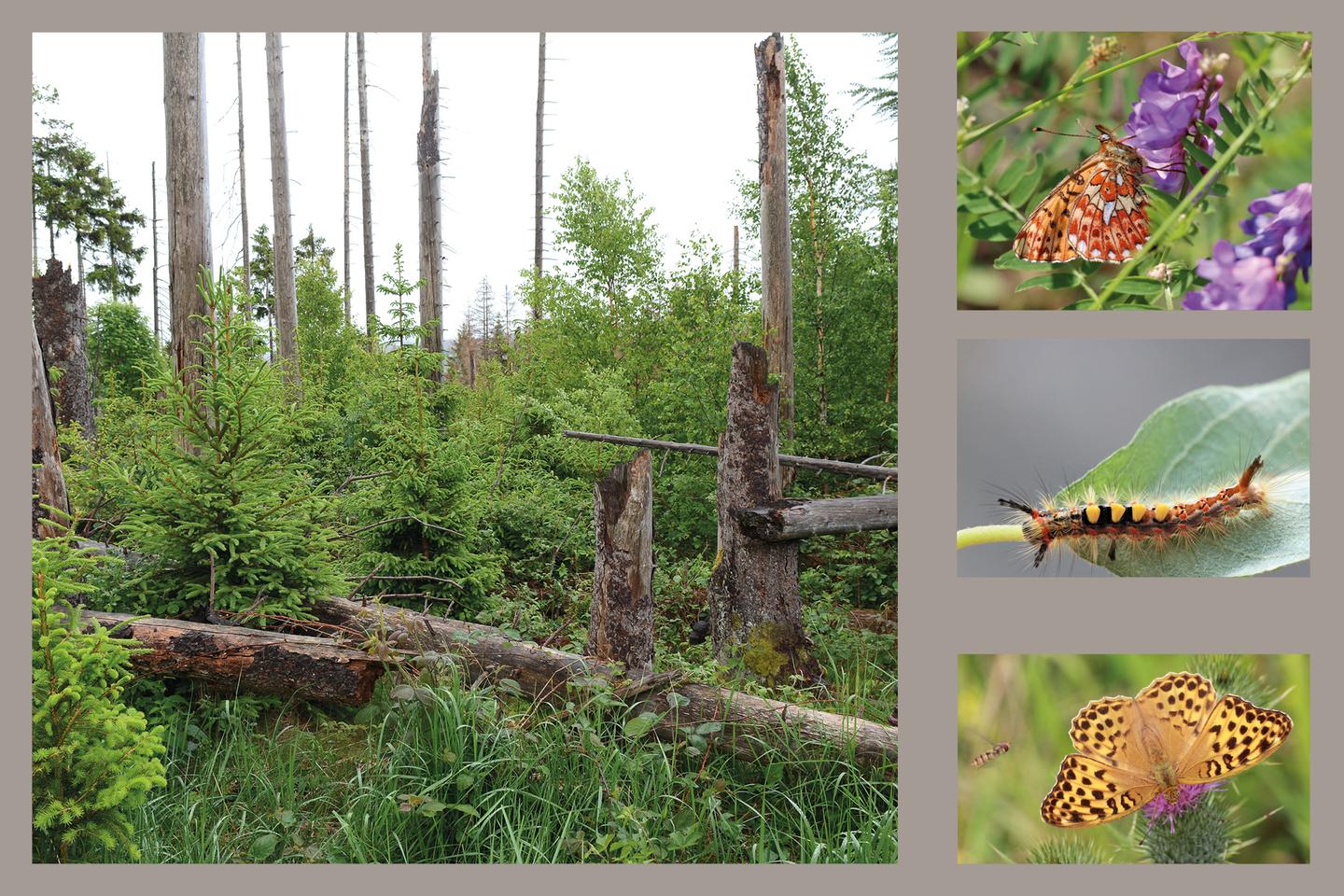
The article “Disturbance Legacy and Landscape-Scale Temperature Variability Are Associated With Lepidoptera Richness in Temperate Forests”, published in the Journal of Biogeography, marks the first scientific publication from the DIVERSA Climate and Future Laboratory. In the underlying study, Imran Khaliq and Johannes Kamp investigated how forest disturbances and temperature variability influence the species diversity of butterflies and moths in Germany.
The analysis is based on extensive citizen science data as well as modelled distribution patterns of over 2,000 species. The results reveal contrasting trends: Whilst butterfly species diversity remained largely stable between 2015 and 2019, moth diversity initially increased and then declined again.
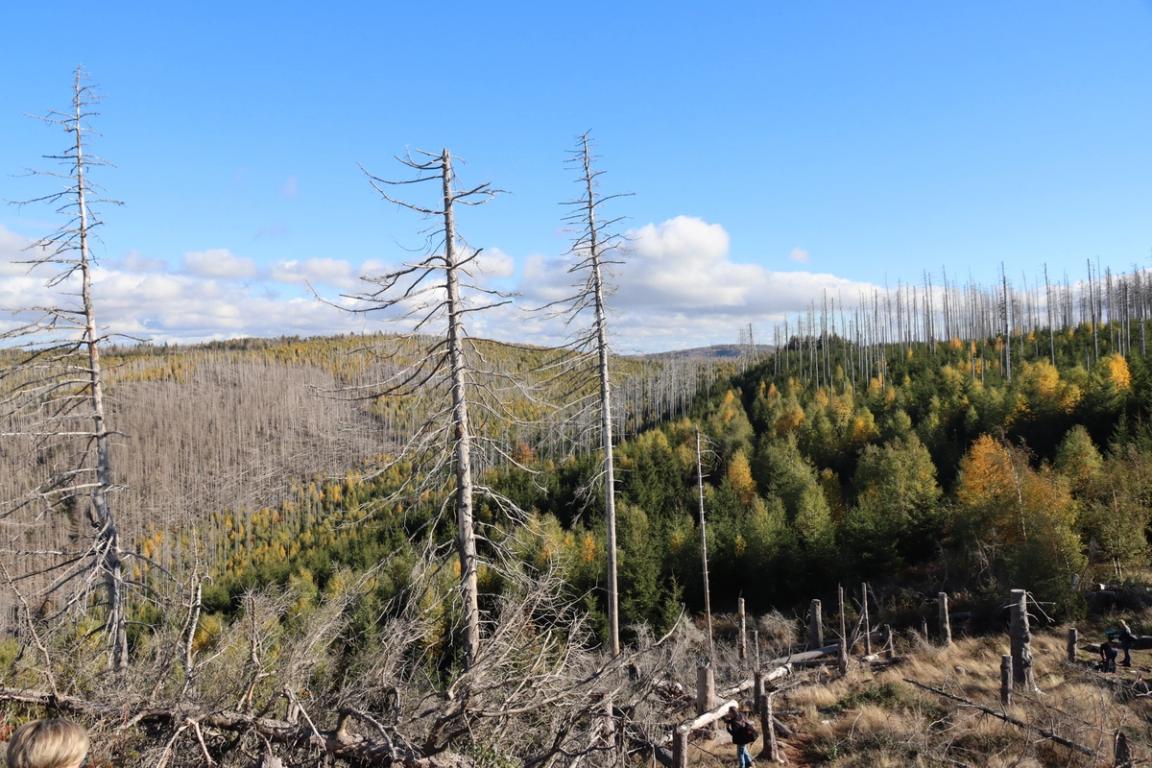
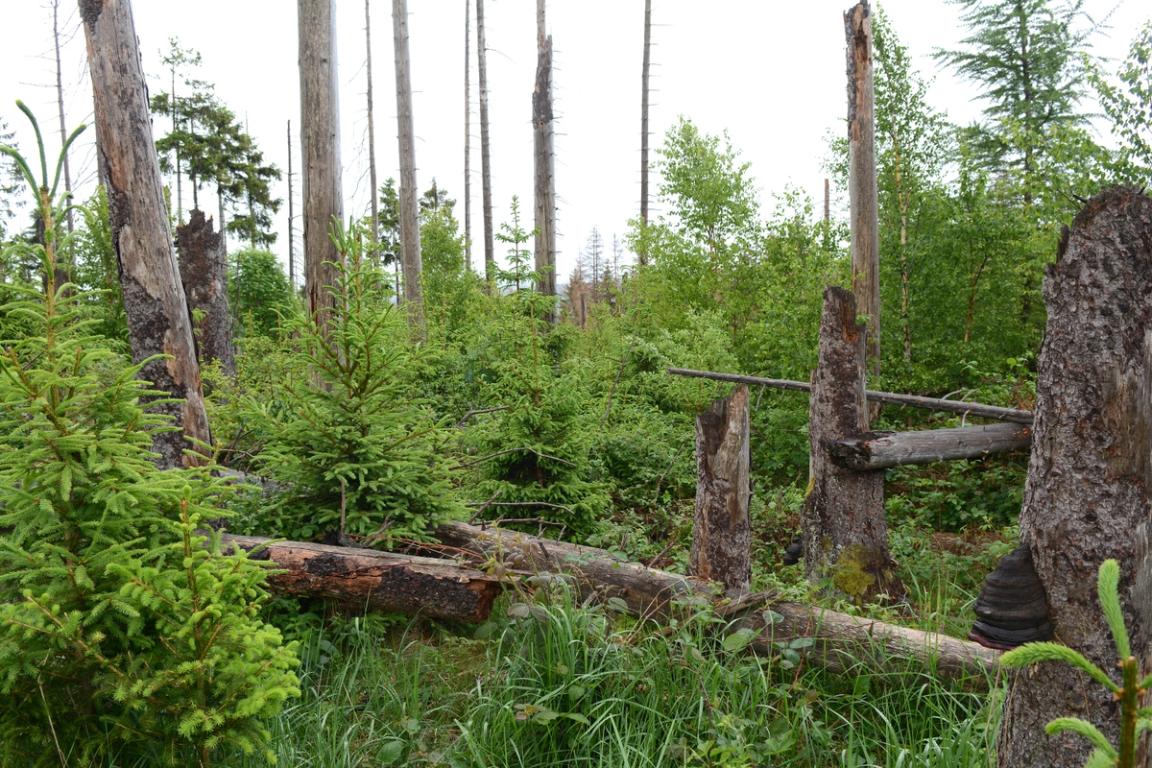
The influence of forest disturbances is key. Recent disturbances – such as those caused by windthrow or bark beetle outbreaks – are positively correlated with high species diversity, as they create structurally rich, light-permeable habitats. As time passes since the disturbance, however, diversity declines as the forests close in again and habitats become more homogeneous. Temperature variability at the landscape level also has varying effects: it favours the diversity of moths, whilst it is associated with lower species numbers in diurnal butterflies.
The study highlights that a small-scale diversity of forest development stages is crucial for maintaining habitats for different species. Such a mosaic of structures and stages of succession can help to safeguard biodiversity and make forests more resilient in the face of climate change.






More Posts
All

UMEX-HOPE launches with a newsletter and a LinkedIn page
Insights into research, processes and collaboration
1 min. Reading time

Coordination Meeting of the Climate Future Labs in Braunschweig
The exchange focuses on the interfaces between the laboratories
3 min. Reading time
Is the black woodpecker endangered in Lower Saxony due to the loss of coniferous wood caused by calamities?
A guest contribution by Dr. Marcus Schmidt and David Singer from the Northwest German Forest Research Institute
3 min. Reading time