Taking a holistic approach to climate adaptation in cities
- February 24, 2026
- 7 min. Reading time

How can cities adapt to a changing climate, and what consequences do measures such as more green spaces or water areas have for microclimates, ecosystems, and human health? These are the questions addressed by the transdisciplinary climate future lab UMEX-HOPE. In this interview, Prof. Dr. Björn Maronga explains how the interaction between urban microclimates and ecological processes is being researched and what conflicting goals and health risks play a role in climate adaptation.
In your opinion, what are the greatest risks of climate change for people living in cities?
The greatest risks can be divided into three categories: heat stress, air quality, and water availability. These are closely related and are associated with significant health risks. Cities heat up more than the surrounding areas, especially at night. As a result of climate change, tropical nights and very hot days are becoming more frequent, with significantly more people in cities being affected. Air quality problems are not primarily caused by climate change, of course, but in combination with heat they can contribute to additional health risks and increased mortality. Another key problem is water availability. Due to the high level of soil sealing in urban areas, rainwater can neither seep away sufficiently nor be completely drained away through sewers when extreme rainfall increases. This increases the risk of flooding. At the same time, conflicts arise over the use of available water, for example for drinking water, irrigation, or cooling.
What fundamental measures can cities take to adapt to these risks?
Adaptation measures aim to mitigate the negative consequences of climate change. There are various measures that can be implemented on different spatial scales and thus also in different areas of responsibility. However, the effects of such measures are sometimes massively overestimated or misclassified. Green facades, for example, have little effect on the outside air temperature and thermal comfort, but can effectively reduce indoor temperatures during heat waves. White-painted roofs, on the other hand, reflect incoming solar radiation and thus contribute very efficiently to reducing the amount of heat energy absorbed by the city. Measures to remove impervious surfaces and restore natural habitats, as well as measures to improve water availability through rainwater storage, are considered particularly effective. Shade-providing trees have a major effect on thermal comfort, but less so on the air temperature itself. Since cities are very different, it is difficult to name universally applicable measures. The area covered is very important in this context. If measures are implemented on 1% of the urban area, no significant effect can be expected. Adaptation measures should therefore be much larger than previously thought.
What is the main research focus of UMEX-HOPE?
In UMEX-HOPE, we want to find out what ecosystem risks exist in cities, how these differ from those in more rural areas, and how different risks such as heat stress, pollution, and infection risks interact. In the course of the project, we will also look at how these risks change under the conditions of climate change and how they can be minimized.
How is the UMEX-HOPE Climate Future Lab structured?
UMEX-HOPE consists of six thematic focal points or subprojects that are brought together by a cross-cutting theme. We take a highly interdisciplinary approach within these areas, which sets us apart from many large-scale projects, where each sub-discipline often works on a separate sub-project. We focus primarily on microclimatic issues such as heat and air quality in indoor and outdoor spaces in connection with biological topics such as infection biology/parasitology, biodiversity, and related health risks for humans.
Which scientific disciplines are involved and which partners from the field are working with UMEX-HOPE?
The consortium consists of scientists from the research fields of environmental meteorology, climatology, landscape ecology, parasitology, human medicine, and transportation planning. Most of our partners in the field come from the Braunschweig and Hanover regions. In addition to the state capital Hanover and the city of Braunschweig, we work together with the Hanover region and the surrounding municipalities of Wedemark and Cremlingen. We also receive support from the Lower Saxony State Health Office and the Federal Environment Agency.
Which research locations did you choose, and what criteria did you use to select them?
At UMEX-HOPE, we are focusing on the Hanover-Braunschweig metropolitan region and smaller municipalities in the surrounding area. This is primarily for logistical reasons, as we have already collaborated with local stakeholders on other projects, the relevant data is available, and measurements can be carried out efficiently. In the first phase, we will carry out measurements and modeling for the city of Hanover with the municipality of Wedemark as the rural periphery. This will be followed by investigations in the Braunschweig area.
What methods are you using in the project to study the urban microclimate and its effects?
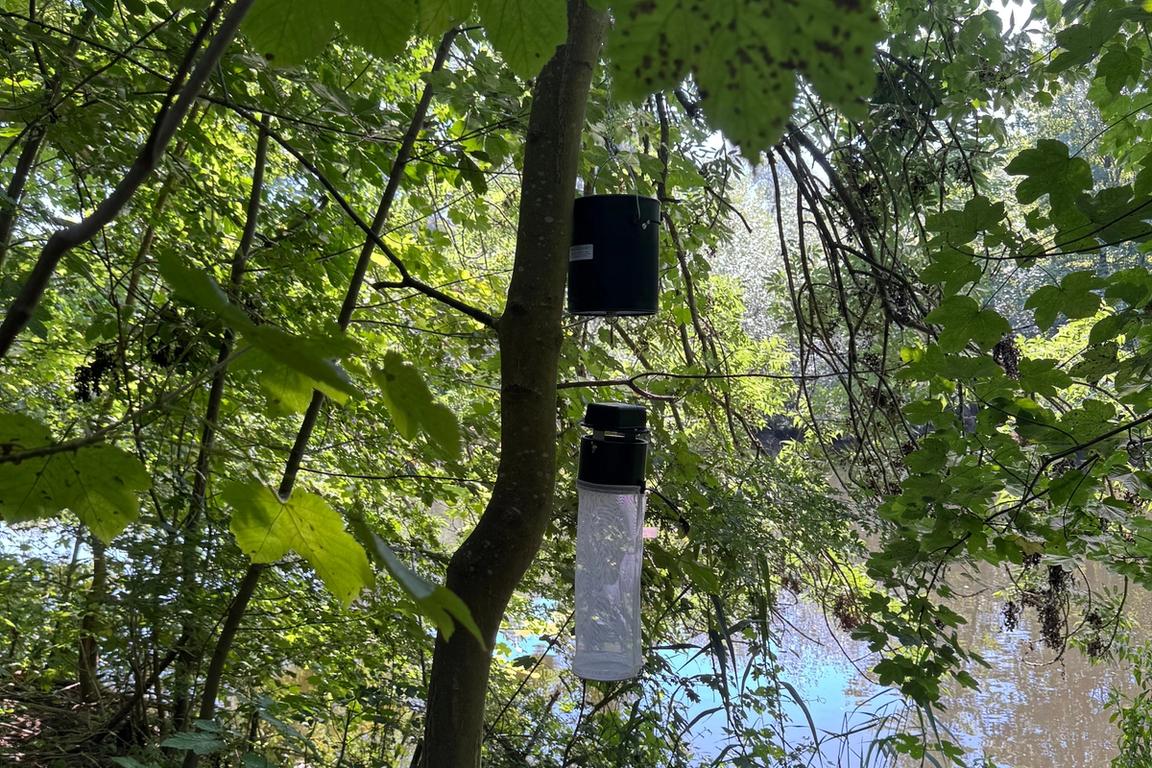
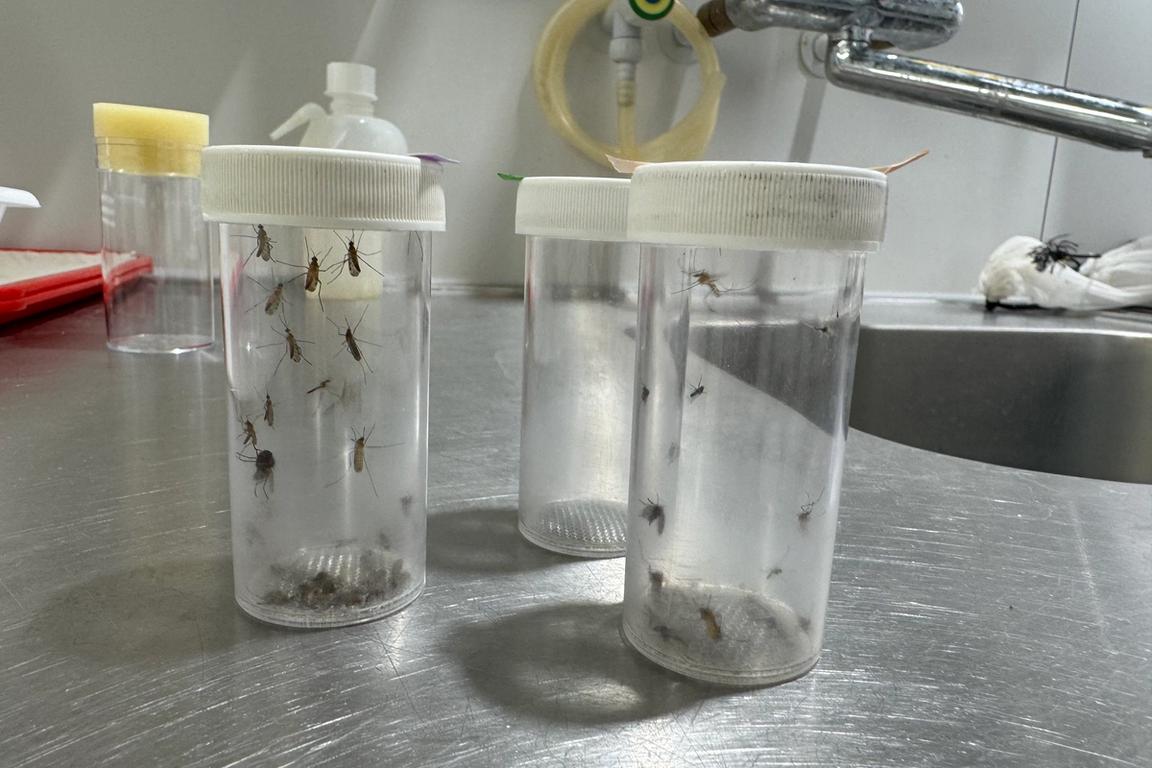
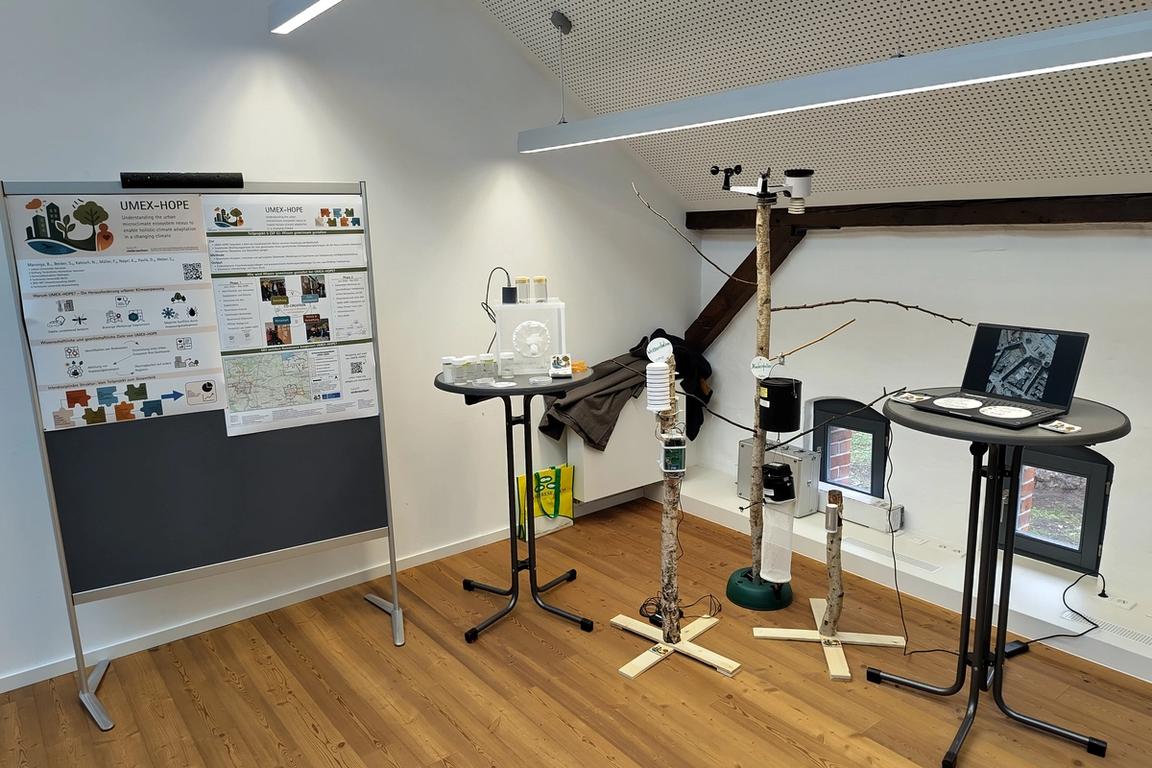
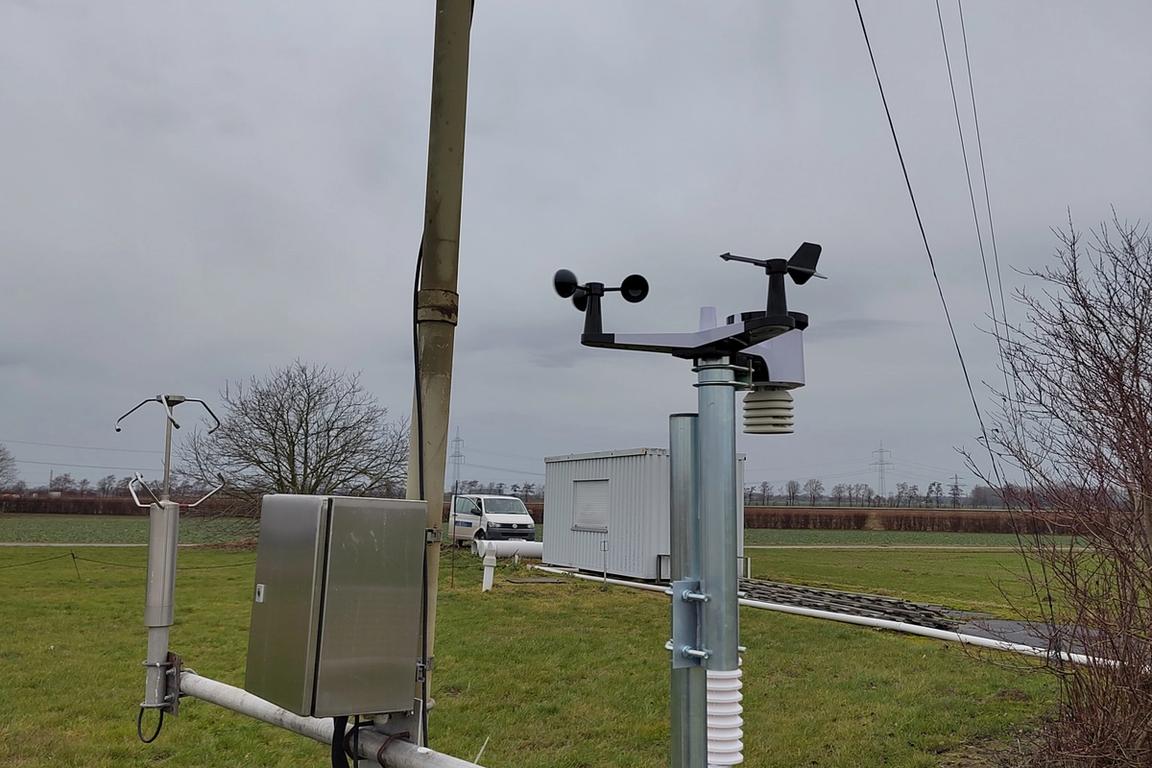
We work with a variety of methods. At the heart of the project will be a combination of microscale model simulations using the PALM model and a microclimatic measurement network. The simulations cover almost the entire Hanover region and allow for the assessment of areas with extreme heat stress and poor air quality. The measurements are based on temporary professional measurement systems, which are supplemented by low-cost measuring stations and the existing measurement network of the city of Hanover. This allows us to measure different biotopes, among other things to determine whether similar microclimates can be found in comparable biotopes in urban and rural areas, or whether there are differences. We combine this with mosquito traps and biodiversity analyses to find out which and how many mosquito species are currently present in Lower Saxony and which viruses are found in the mosquitoes.
In several subprojects, you identify low- and high-risk zones in cities. What role do social factors and particularly vulnerable population groups play in this?
These factors can play a major role. Areas with high heat stress and poor air quality often correlate with population density, which in turn correlates with social factors. In the past, risk areas were often considered independently of demographic conditions. For example, it was not taken into account that high heat stress in an industrial area might be less critical (as there are hardly any pedestrians there) compared to an area in the city center with a high pedestrian density. UMEX-HOPE takes this into account more strongly through various approaches.
UMEX-HOPE also examines potential conflicts of interest in climate adaptation measures—for example, between more green spaces in cities and health risks. Why is it important to consider these trade-offs at an early stage?
One reason for this is that municipal administrations are often divided into specialist departments, which means that adaptation measures are frequently not considered holistically. If we want to prepare cities for rising temperatures and extreme weather conditions, these conflicting goals must be taken into account. Blue infrastructure is currently being promoted as one of the best measures for preventing extreme heat. However, it should not be overlooked that this can create habitats for the Asian tiger mosquito, for example, which can lead to the spread of West Nile virus when temperatures rise. Depending on the local situation, it may therefore be advisable to consider alternative or adapted measures.
Given your scientific background, what do you personally find most exciting about UMEX-HOPE?
In the past, we have primarily conducted subject-specific studies: How does green-blue infrastructure influence the microclimate? What can we do to improve air quality? The interdisciplinary approach and collaboration with experts from the fields of medicine and parasitology, as well as the inclusion of municipal perspectives, are new and very exciting!
What insights or results do you expect to see by the end of the project?
Essentially, I expect that we will be able to describe cross-ecosystem risks rather than just assessing them from a technical perspective. I also hope that we will have made significant progress in evaluating climate adaptation measures—especially those that minimize conflicting goals and provide cities and smaller communities with a tool that can be directly incorporated into municipal planning.
The Urban Ecosystem Risk Dashboard is designed to bring together complex data. Who are these results intended for, and how can they specifically support municipal decision-making?
The dashboard will be the central product that brings together and summarizes the results of the project. The plan is to provide different versions that can be used by both scientists and people working in municipal practice, such as urban planners. The dashboard can be used to display the current status of various ecosystem risks, as well as their interaction. In my vision, measures can then also be simulated or the situation analyzed under future climate conditions.
A key goal of transdisciplinary research is to translate scientific findings more effectively into practice. How can this be achieved in the case of UMEX-HOPE?
This can only work through close dialogue between science and practice. The dashboard will be one building block in this process. Within the project, we also engage in ongoing dialogue, for example through regular workshops and newsletters.
The case studies focus on Hanover, Braunschweig, and rural areas. To what extent can the results be transferred to other cities or regions?
The model region is essentially typical of Central Europe and the climatic conditions there. The results should be directly transferable to similar conditions in similar climates. This will also be demonstrated in the second phase of the project. The results are probably only partially transferable to other climates. For example, the problem we face with mosquito-borne diseases will continue to be irrelevant in colder climates in the near future. Similarly, adaptation measures such as greening in hot arid areas are often not feasible, e.g., due to the lack of water. In UMEX-HOPE, we not only want to determine the risks for cities and municipalities in Lower Saxony, but also gain a better understanding of which ecosystem components are actually interrelated and how these can be quantified. These findings can also be transferred to any part of the world, including other climates where individual components of the ecosystem behave differently.
Einblicke




More Posts
All
Is the black woodpecker endangered in Lower Saxony due to the loss of coniferous wood caused by calamities?
A guest contribution by Dr. Marcus Schmidt and David Singer from the Northwest German Forest Research Institute
3 min. Reading time
Big visions, but quick small steps
Social sustainability arises when different actors take responsibility, act together, and combine big visions with concrete, small steps.
4 min. Reading time
Job opening at the ZKfN
The ZKfN is looking for a dialogue and transfer officer to strengthen the exchange between science and society in climate and climate research in Lower Saxony.
1 min. Reading time