Mosquito Monitoring for Healthy Climate Adaptation
- August 14, 2026
- 3 min. Reading time

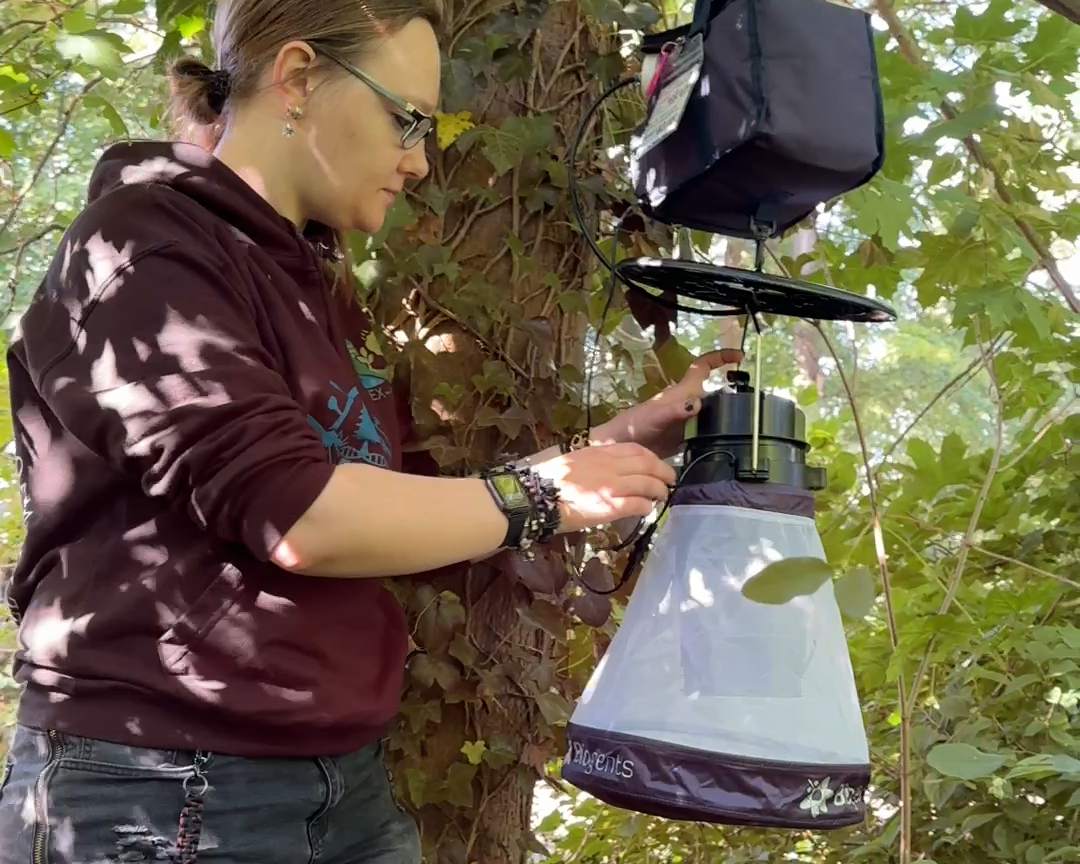
Although mosquitoes are a nuisance to us humans, their bites are generally harmless. However, climate change could increase the health risks posed by mosquitoes: As temperatures rise, for example, conditions improve for heat-loving, originally tropical mosquito species such as the Asian tiger mosquito, which can transmit various pathogens. Just last week, this species was detected in Hanover. But it’s not just newly arrived species that are of concern. Native mosquitoes can also transmit pathogens such as the West Nile virus.
For this reason, researchers at the UMEX-HOPE Climate Future Lab are also studying mosquito populations in Lower Saxony as part of one of their subprojects. UMEX-HOPE focuses on the interplay between urban microclimates, ecosystems, and human health in order to holistically evaluate climate adaptation measures. This is because measures that improve the urban climate can also have unintended side effects: for example, bodies of water can provide cooling on hot days, but at the same time serve as suitable breeding grounds for mosquitoes. The goal is not to eliminate bodies of water, but to advise municipalities on how to design them so that as few mosquitoes as possible settle and breed there.
How Mosquito Monitoring Works
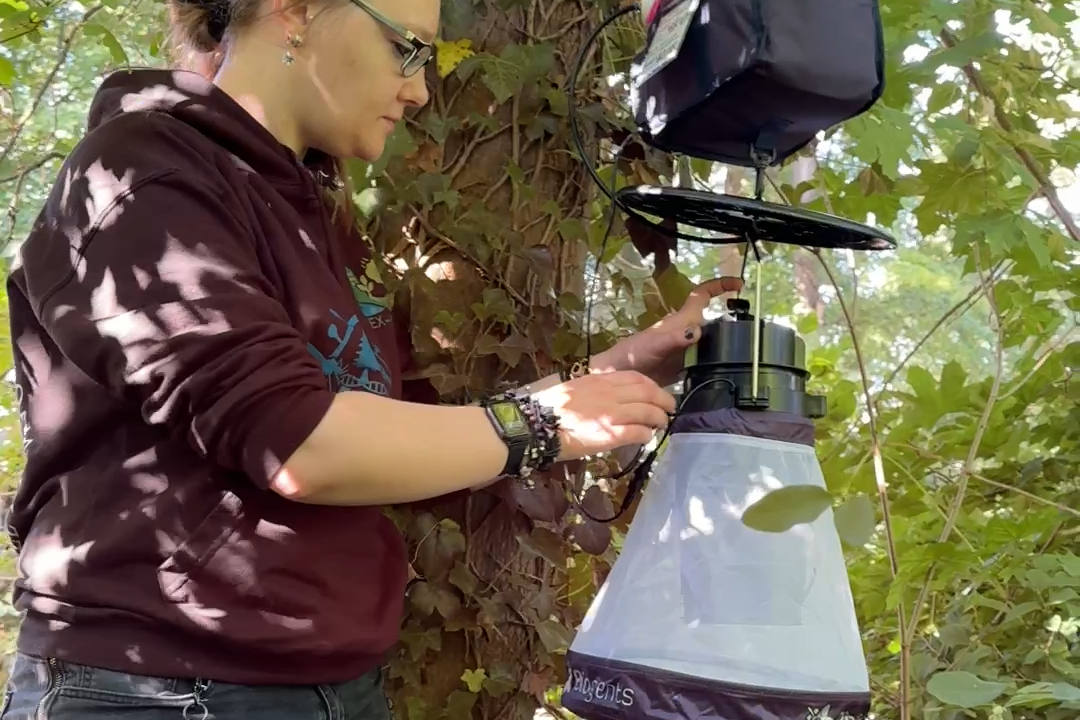
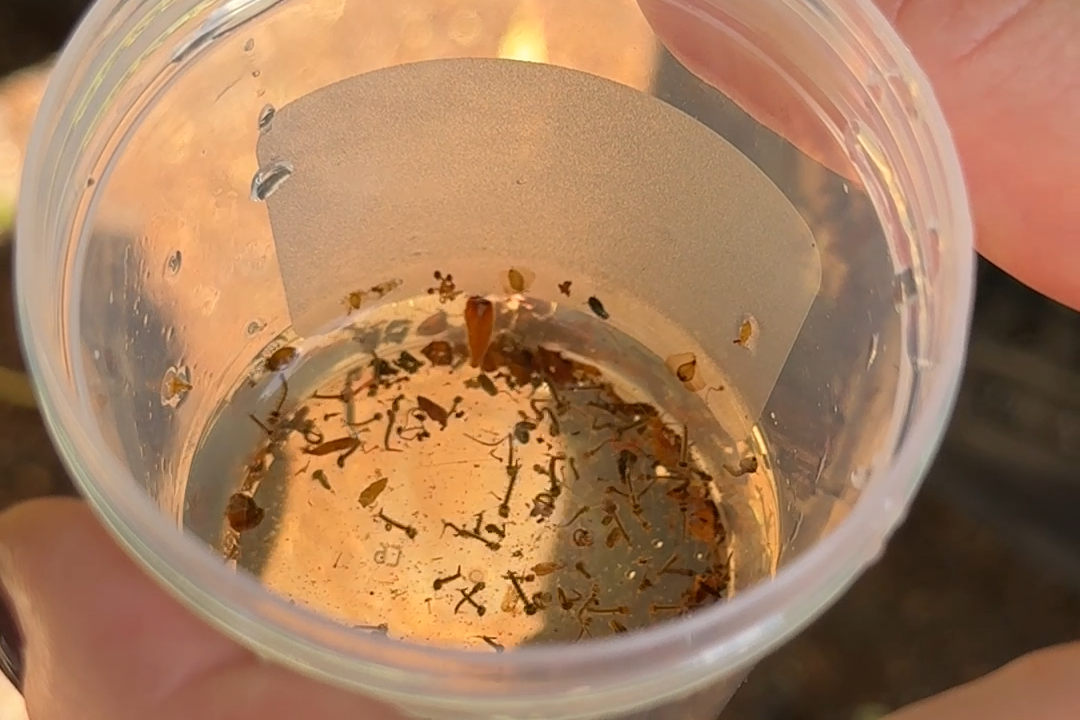
From May through October, the so-called mosquito sampling takes place, a task primarily handled by Dr. Cara Leonie Ebert together with a team from the University of Veterinary Medicine Hannover. Two types of mosquito traps are used: In the afternoon, Dr. Leonie Ebert sets up traps for the mosquitoes in the study areas. The next morning, she collects the adult mosquitoes—that is, fully grown and capable of flight—that have been caught in the nets overnight. Mosquito larvae and eggs, on the other hand, are collected in small containers filled with water and an attractant, which are strategically placed in areas identified as potential breeding grounds. The larval traps remain at the study sites for a longer period before they, too, are taken to the lab for analysis.
The mosquito monitoring takes place at various study sites in Hanover—for example, in the Georgengarten near a pond, but also on open grassy areas and paved surfaces. For comparison, rural sites in Wedemark and Cremlingen are also being studied. This allows researchers to identify differences between urban and rural areas. The researchers are also interested in how different landscape structures influence the occurrence and composition of mosquito species.
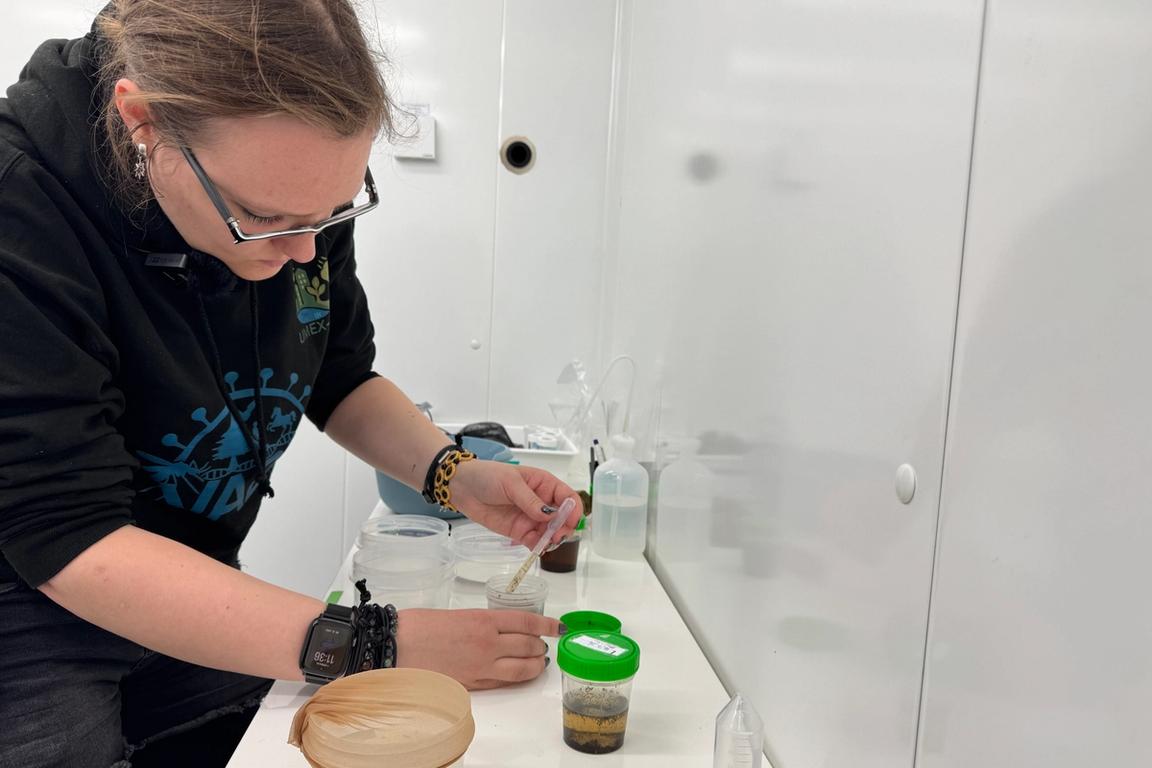
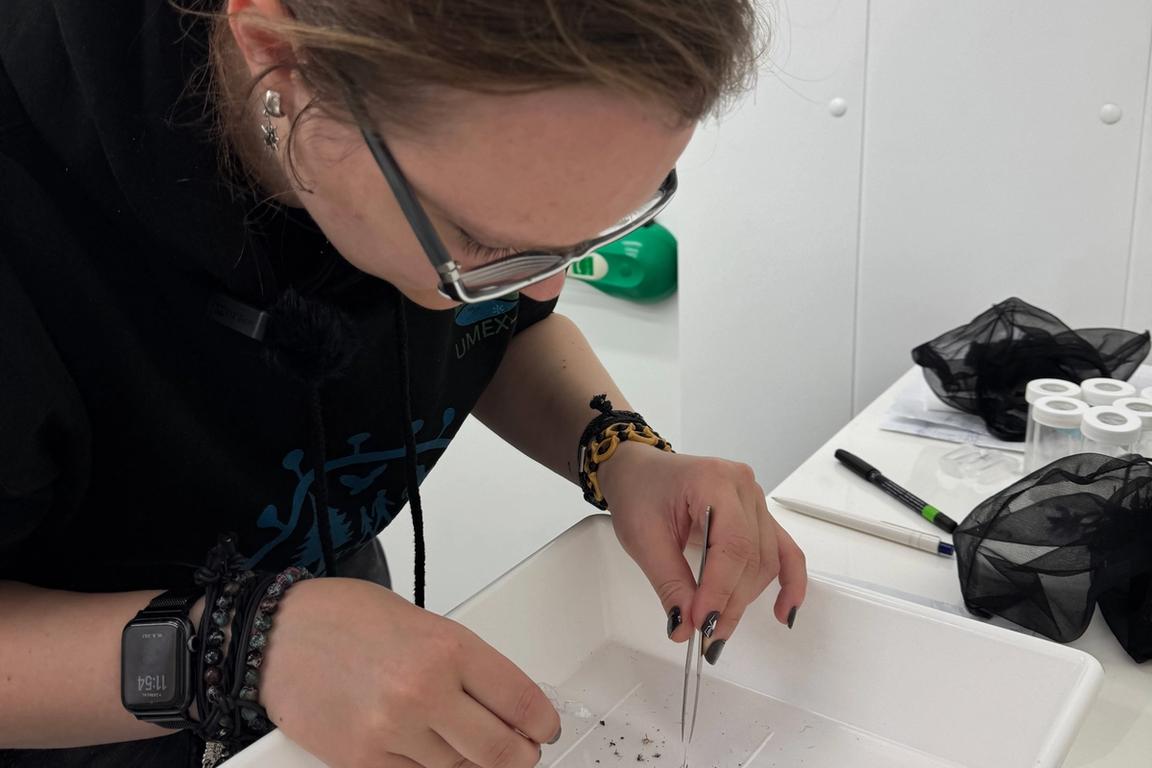
In the lab, the mosquitoes, larvae, and eggs are then literally examined more closely under a microscope. But first, the samples must be prepared. Specifically, this means that the mosquito eggs are incubated and the larvae are fed until they have developed into adult mosquitoes. These are then frozen at -80°C for later identification.
This part of the work, however, will have to wait. Currently, all resources are focused on fieldwork and sampling. Once the mosquito season is over, the identification process will begin in the lab. The goal is not only to determine which mosquito species are present at the various locations and which pathogens they carry, but also to identify under which environmental conditions potential health risks become particularly relevant. The findings are intended to help local governments plan and design climate adaptation measures—such as new green spaces and water bodies—in a way that takes potential health risks posed by mosquitoes into account from the very beginning.
Field and Laboratory Research



More Posts
All
Climate Research Through Dialogue: “Climate Future Lower Saxony” Symposium 2026
First results are becoming visible – and with them, the question of how they can unfold their impact together with practice.
2 min. Reading time
Climate-Resilient Agricultural Landscapes in Lower Saxony
The sixth Climate Future Lab, AgRe-Lab, combines biodiversity and climate research with regional practice
2 min. Reading time

OpenPlanning Zine 03 "Somethings Cooking"
The zine shows how cooking together and co-creative urban design are sparking new ideas for a mobile climate garden in Braunschweig.
2 min. Reading time