
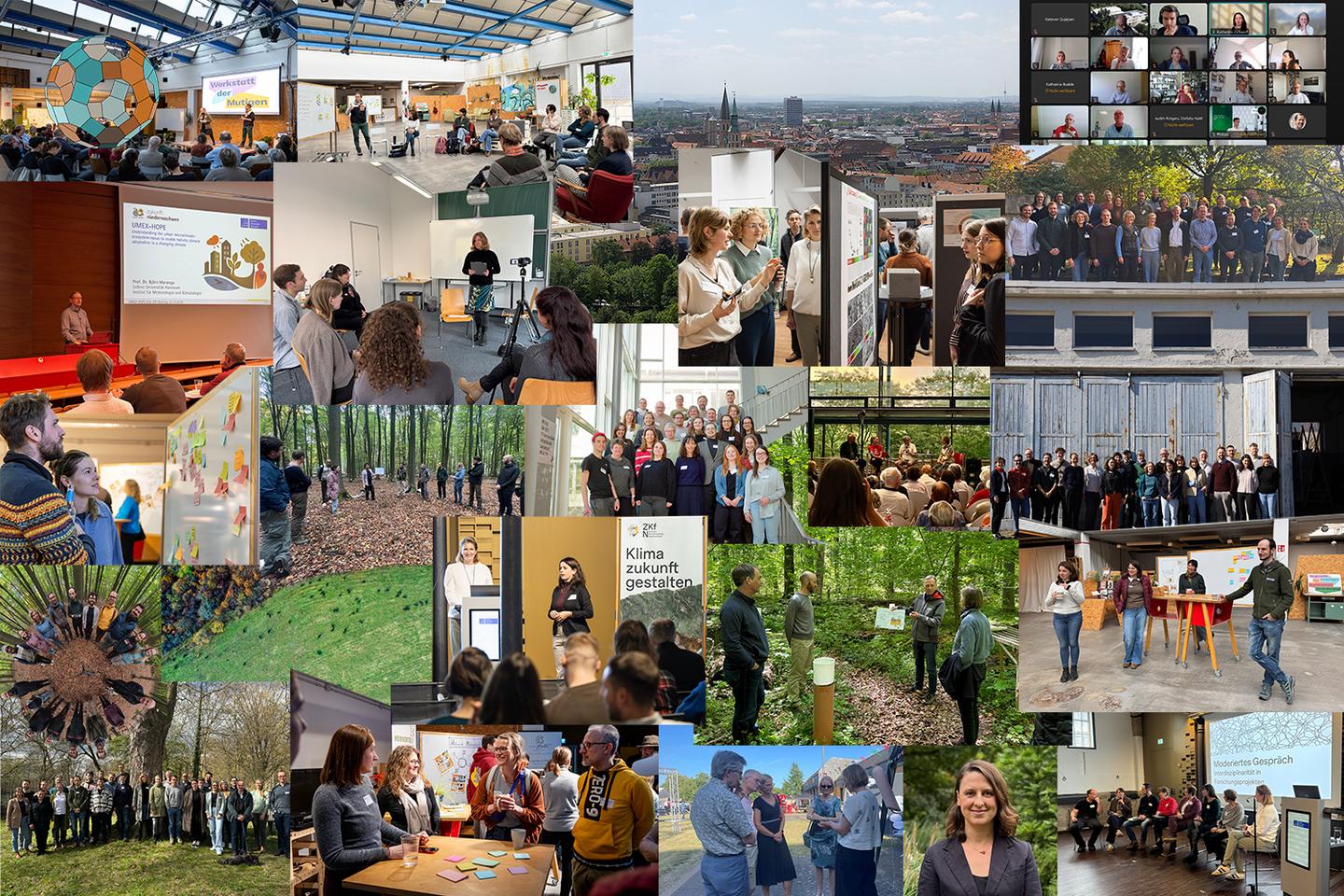
2025 was a year of growth and networking for us. All five Climate Future Labs held their kick-off events and, following the initial phase, have now begun their substantive work. At the same time, existing networks have developed further, new collaborations have emerged and the Climate Community in Lower Saxony has grown closer together. In addition, the initiation of two further Climate Future Labs has been pushed forward. Here is a brief insight into selected events of the year:

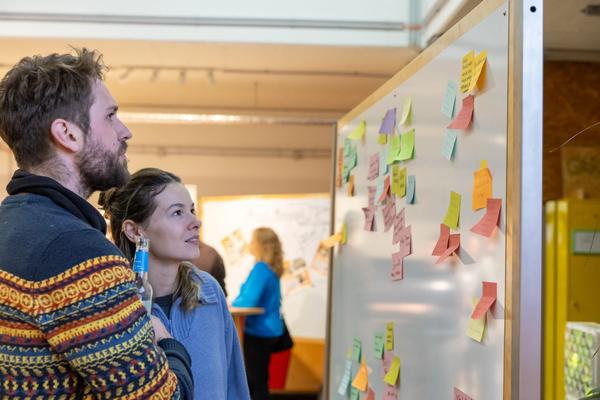
Workshop of the courageous
Just do it: In Braunschweig, we brought together around 60 committed designers from politics, civil society, and associations to develop solutions for regional challenges. The workshop showed how powerful matchmaking can be when people with ideas, expertise, and courage come together.

UMEX-HOPE is approved
The fifth Climate Future Lab has been approved: UMEX-HOPE is investigating the relationship between microclimate and health in cities. It focuses on the consequences of heat, heavy rainfall, and other climate risks, and how effective adaptation measures can work. Our climate community is growing with the addition of an exciting new field of research.

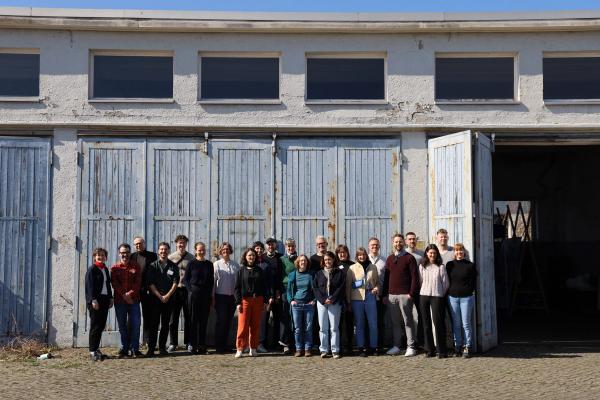
Kick-off OpenCultures
During the three-day kick-off event for OpenCultures, 22 researchers from Braunschweig, Oldenburg, and the Julius Kühn Institute came together to lay the foundations for joint interdisciplinary work. A highlight was the tour of Campus North, the laboratory's future testing ground, which provided initial impetus for how climate knowledge can be translated into design principles for climate-adapted and equitable urban development.

Kick-off DIVERSA
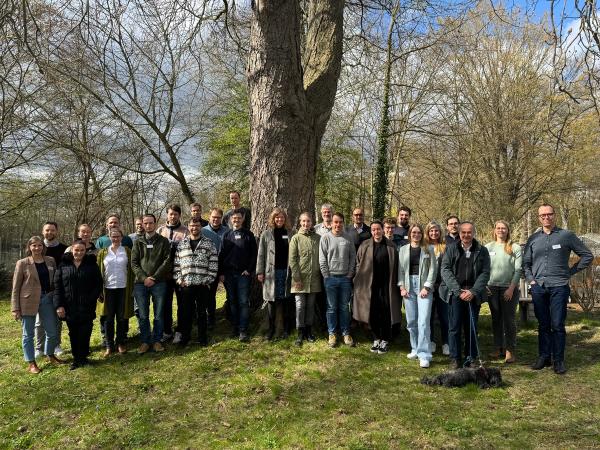
We are making good progress in Lower Saxony: In Göttingen, we were guests at the two-day kick-off event for DIVERSA. Around 30 scientists laid the foundation for six years of interdisciplinary research into the resilience mechanisms of forests. The focus was on exchanging ideas about the subprojects and establishing joint structures for cooperation.

HochNiNa annual meeting
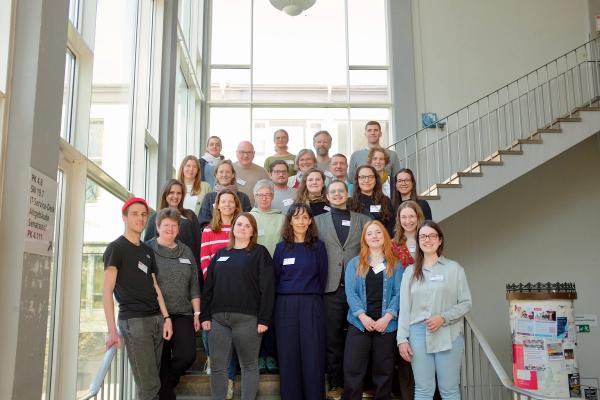
Together with the Green Office at TU Braunschweig, we welcomed 26 sustainability stakeholders from universities in Lower Saxony to our annual meeting. In intensive discussions, projects were presented, priorities were set, and a new coordination team was elected. It was a great opportunity to show that we are actively involved in sustainability networks beyond the Climate Future Labs.

Visiting FoResLab
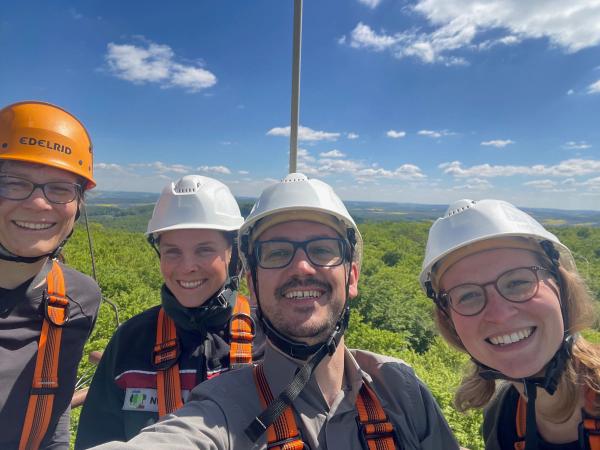
During a visit by the coordination group and the Lower Saxony Ministry of Science and Culture to Göttingen, the FoResLab climate future lab provided insights into its research on forest resilience – from the 42-meter CO₂ measuring tower to ground-level sensors. The excursion, with its excellent views, impressively demonstrated the diversity of the data bases on which the laboratory uses to study forests in the context of climate change.

CampusXperience
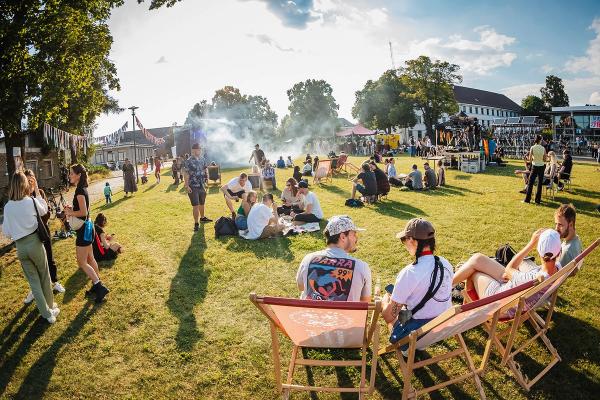
We were there at the CampusXperience event at TU Braunschweig. The City–Country–Climate game gave us an easy way to strike up lots of great conversations.

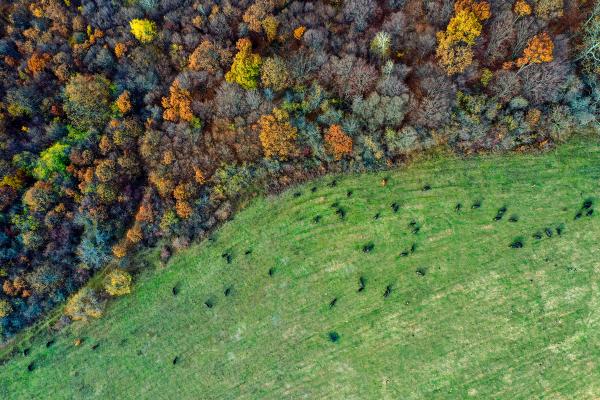
New call for proposals published
With its call for proposals entitled “Long-term strategies for climate-resilient ecosystems and habitats in rural peripheral regions,” the ZKfN has given the green light for a new Climate Future Lab. Up to €5 million is available to strengthen interdisciplinary research and develop long-term approaches for climate-resilient rural areas.

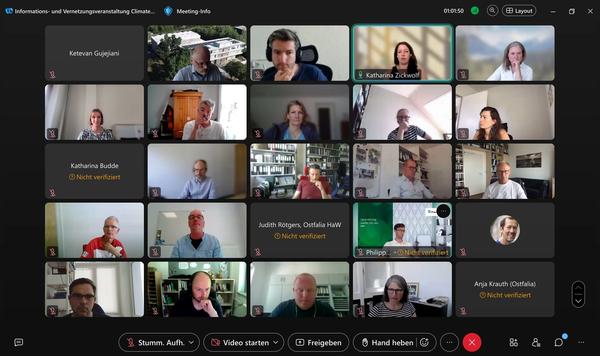
Information and networking meeting
We organized a digital information and networking meeting for the new call for proposals. In a compact hour, interested parties were able to clarify questions, present initial ideas, and explore potential collaborations.

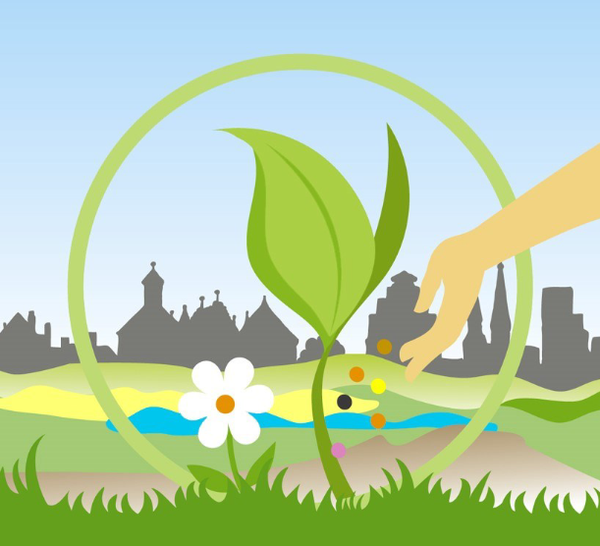
Braunschweiger Stadtgrüntag
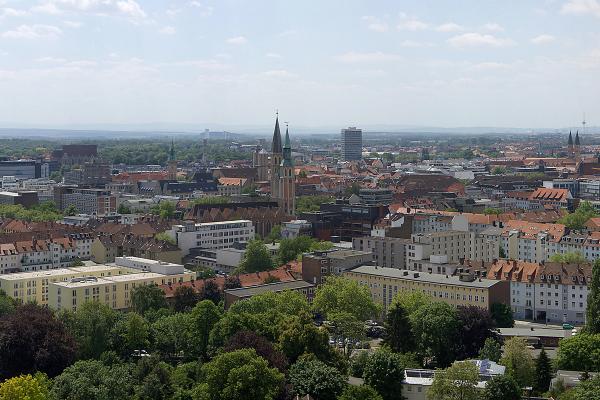
The Stadtgrüntag brought together initiatives, science, and urban society to highlight the many facets of urban greenery — from biodiversity to social issues. A joint bike tour through the gardens of the garden network concluded the event, vividly demonstrating how urban greenery can be experienced and designed in a variety of ways.

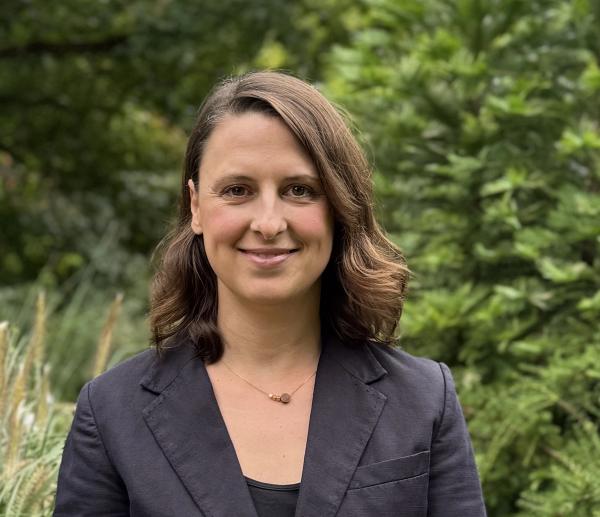
New addition to the team
Since September, the ZKfN team is complete again: Christiane Thoroe supports us as a communications and public relations officer. With her experience, she strengthens our work at the interface between science, the public, and network partners.

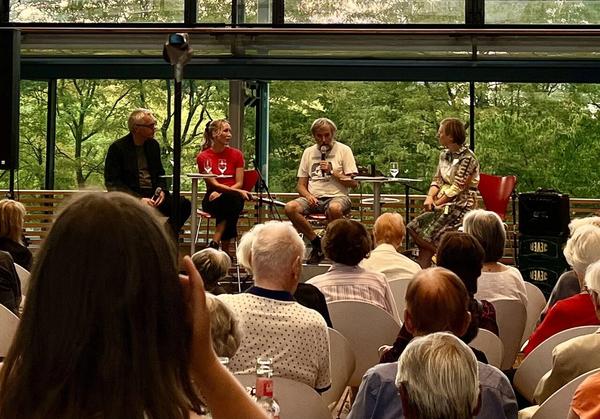
Visiting „Tatort Natur“
At the closing event of the exhibition “Tatort Natur” (Crime Scene Nature) at the Representation of Lower Saxony to the Federal Government in Berlin, Prof. Martin Prominski from the Climate Future Lab UCFL discussed the human impact on nature and landscape with art and subject experts. The exhibition combined historical works from Worpswede with contemporary positions and opened up new perspectives on dealing with ecological crises.

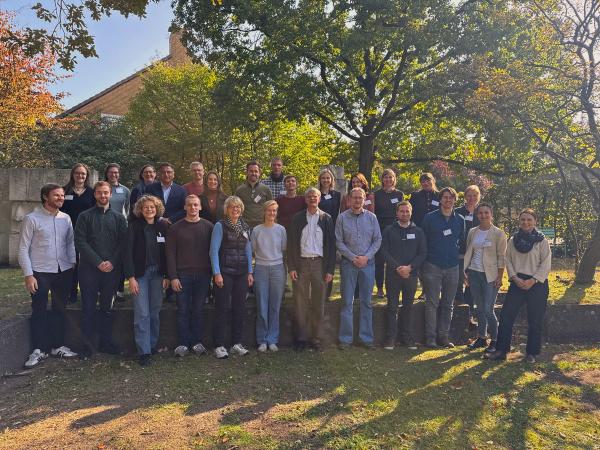
Kick-off UMEX-HOPE
The new climate future lab UMEX-HOPE was launched in Hanover, which investigates the interaction between urban microclimates, ecosystems, and health. At the kick-off event, more than 20 scientists and industry partners came together to develop common goals and working methods for the coming years.

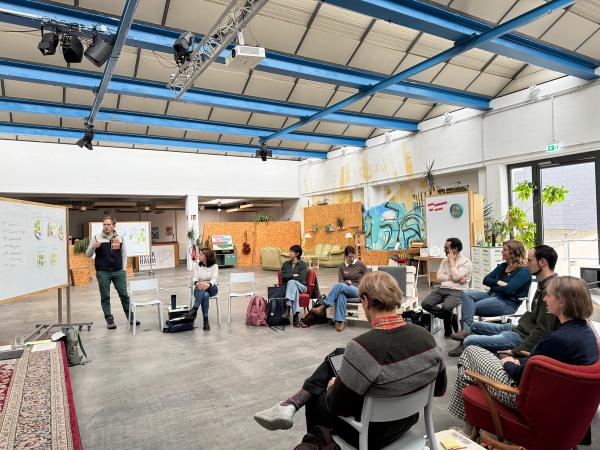
Community-Building-Workshop
With fresh ideas, the DenkRaum Braunschweig focused on bringing the ZKfN community closer together. Together, we outlined formats in which members of the Climate Future Labs can meet and exchange ideas in new ways in the future — from peer mentoring and dialogue walks to thematic workshops.

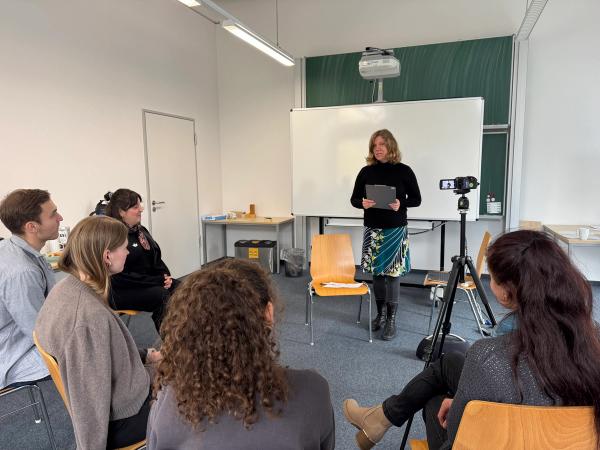
Workshops on science communication
How do you explain your years of complex research to interested laypeople? This was precisely the question addressed by the workshops developed by the fourC junior research group at TU Braunschweig and offered by the ZKfN to its network partners. The combination of an online kick-off, a self-study phase, and short video pitches provided many “aha” moments and demonstrated how clear communication strengthens the exchange between science, society, and practice.

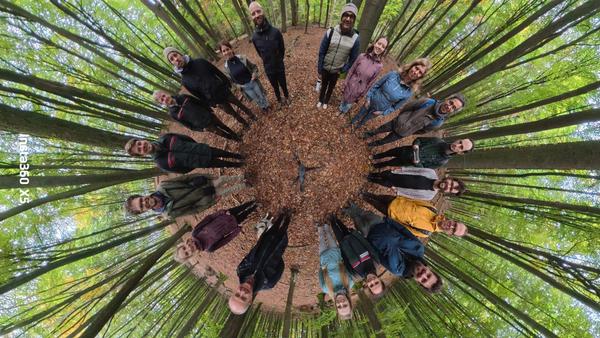
Project meeting DIVERSA
Around 20 members of the DIVERSA Climate Future Lab gathered at Hof Möhr and the Sellhorn Forestry Office to discuss project progress and key research topics. The ZKfN was also invited; an excursion to a test site gave our managing director Katharina Zickwolf insights into methods and working approaches directly on site.

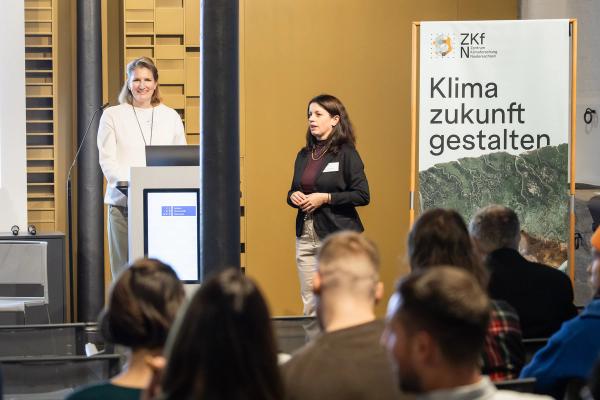
Symposium Climate Future Lower Saxony
Around 80 representatives from science, practice, politics, and administration came together at our symposium in Hanover to discuss the opportunities and prerequisites for successful interdisciplinary and transdisciplinary research. The ideas generated by the presentations, panel discussions, the Climate Future Labs marketplace, and a cross-laboratory workshop strengthened the exchange within the network and provided important impetus for further cooperation and for the development of long-term structures for a sustainable and just climate future.

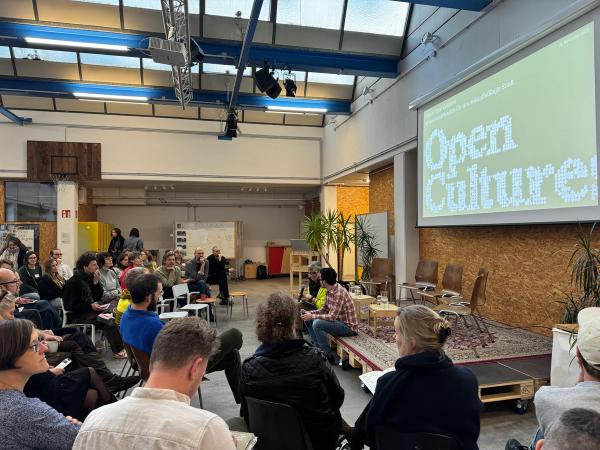
Visiting OpenCultures conference
At the first public conference of the OpenCultures Climate Future Lab, we gained insights into how transdisciplinary practice can be shaped between science, urban society, planning, and politics. Lectures, discussions, and exhibition formats presented examples, methods, and networks that show how climate knowledge can be translated into local action.


Happy Holidays!
At the end of the year, we at the ZKfN office are taking a break for Christmas and would like to thank all our partners for their excellent cooperation. We wish you a restful holiday season and a good start to the new year.
More Posts
All
Forest disturbances and climate shape the diversity of butterflies and moths
First scientific DIVERSA publication
2 min. Reading time
UMEX-HOPE launches with a newsletter and a LinkedIn page
Insights into research, processes and collaboration
1 min. Reading time
Coordination Meeting of the Climate Future Labs in Braunschweig
The exchange focuses on the interfaces between the laboratories
3 min. Reading time