
The climate and future labs DIVERSA and FoResLab invite you to an interactive field trip to the Göttingen City Forest on September 19 from 10 a.m. to 2 p.m. as part of the German Forest Days. At several stations, scientists from the Northwest German Forest Research Institute, Georg-August University of Göttingen, and other partner institutions will provide insights into modern methods of forest research and current research projects. The following presentations will highlight the approaches researchers are using to study the effects of climate change on forests and the insights gained from this research for their conservation and adaptation.


Information on registration and the itinerary for the field trip: www.zkfn.de/waldtage_event
Bioacoustics in Forest Research

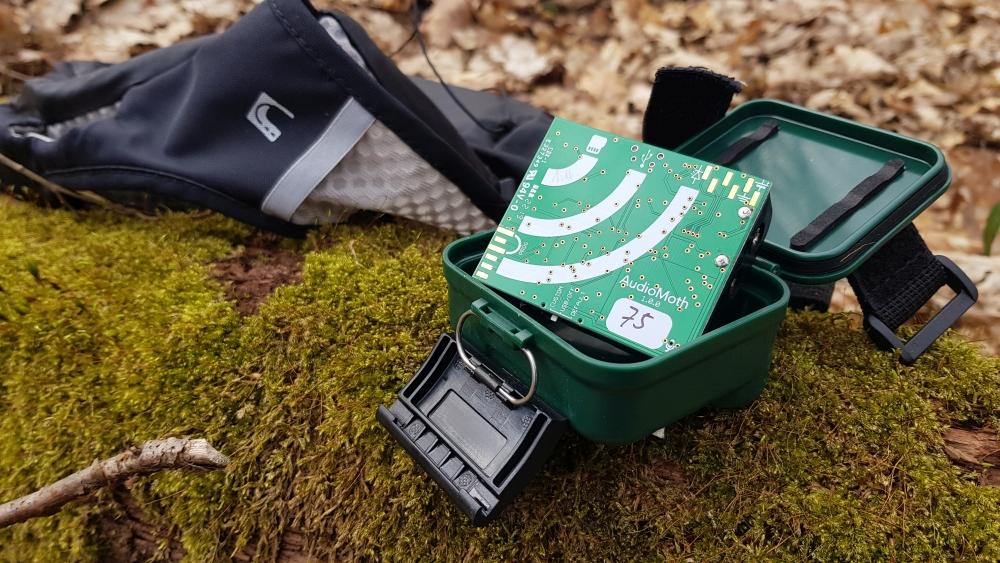
Bioacoustics is a modern method for studying animal communities and is becoming increasingly important, particularly in forest ecology. Automated recording devices are used to capture the entire soundscape of a forest. The recorded calls and sounds allow researchers to draw conclusions about the presence, activity, and composition of animal communities. The research focuses on birds and bats, which are particularly sensitive to changes in forest structure.
So-called AudioMoth devices are used for the studies—small, robust acoustic recorders that record data autonomously over extended periods. Compared to traditional survey methods, they enable high-resolution data collection in terms of both time and space. This allows researchers not only to identify species but also to examine activity patterns over the course of a day and throughout the year.
The data collected helps us understand how disturbances and changes in the forest affect species communities and what consequences this may have for biodiversity.
Moths in the Forest – Hidden Diversity with a Big Impact

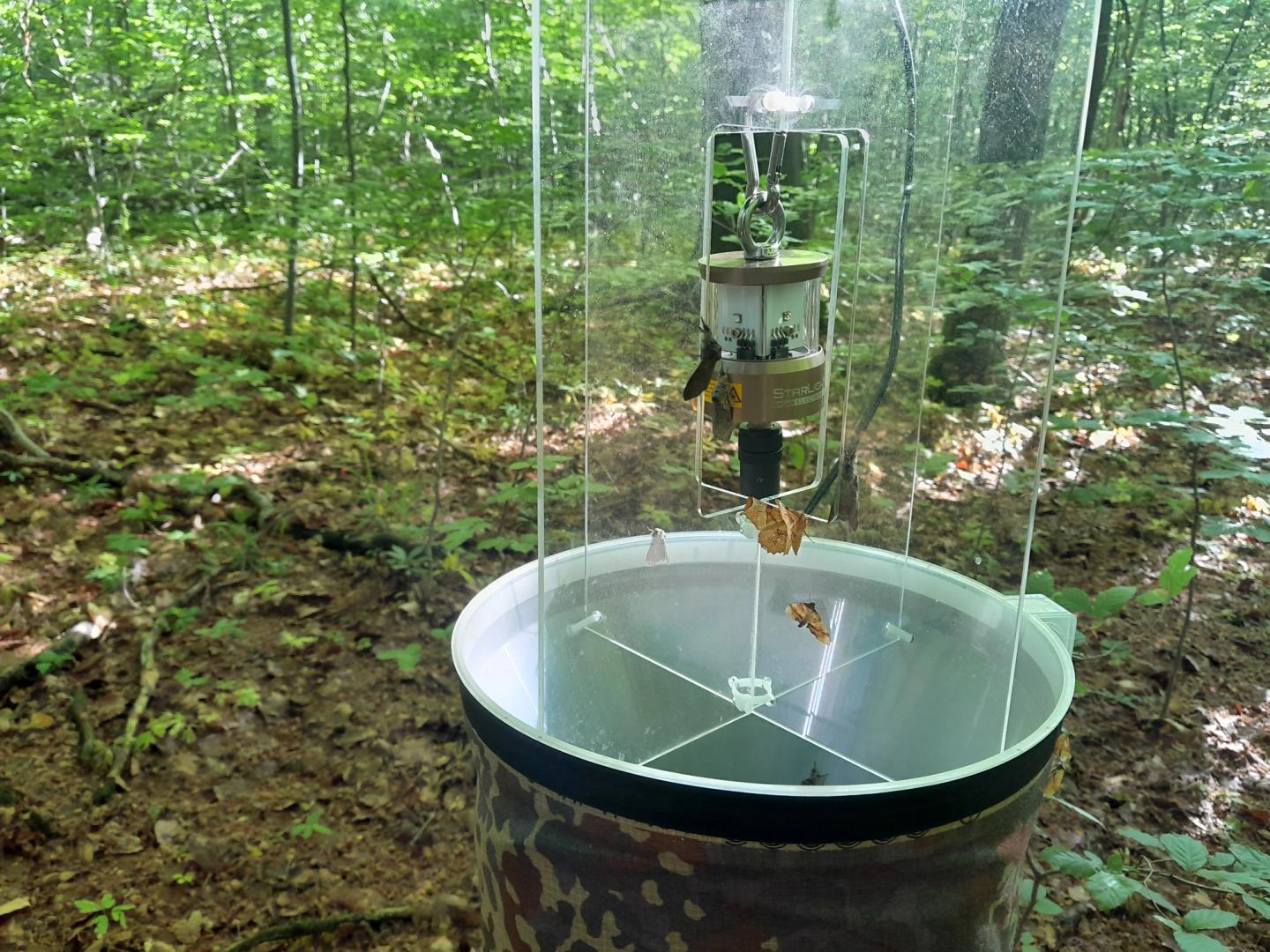
Moths are among the most species-rich groups of insects in our forests, yet they remain hidden from most people because they are primarily active at night. They fulfill important functions in the ecosystem: They serve as a food source for numerous animals, such as bats and birds; they contribute to plant pollination; and, as caterpillars, they play a central role in the nutrient cycle. Under certain conditions, some species can also appear in large numbers and thus act as pests. They are therefore particularly well-suited for studying changes in forest biodiversity. Climate-related disturbances can shift the composition of species communities there—with potential consequences for pollination, food webs, and the natural regulation of pests.
Research is therefore currently focused on how drought, changes in forest structure, and different forms of forest management affect moth communities.
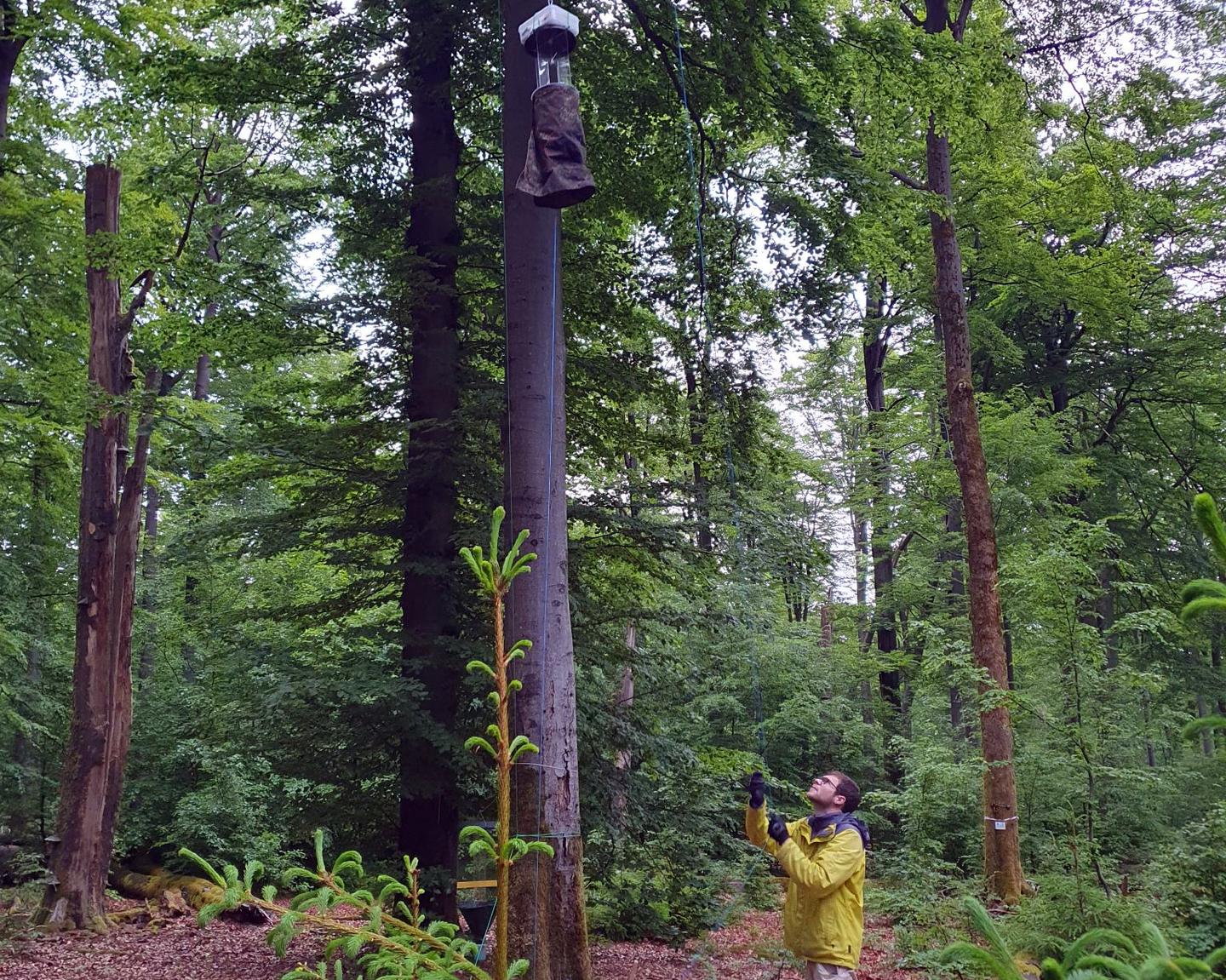
Light traps are used for monitoring. They make these predominantly nocturnal animals visible and enable a standardized comparison of species diversity at various forest sites—including in hard-to-reach areas such as the tree canopy.
Laser Scanning in Forest Research

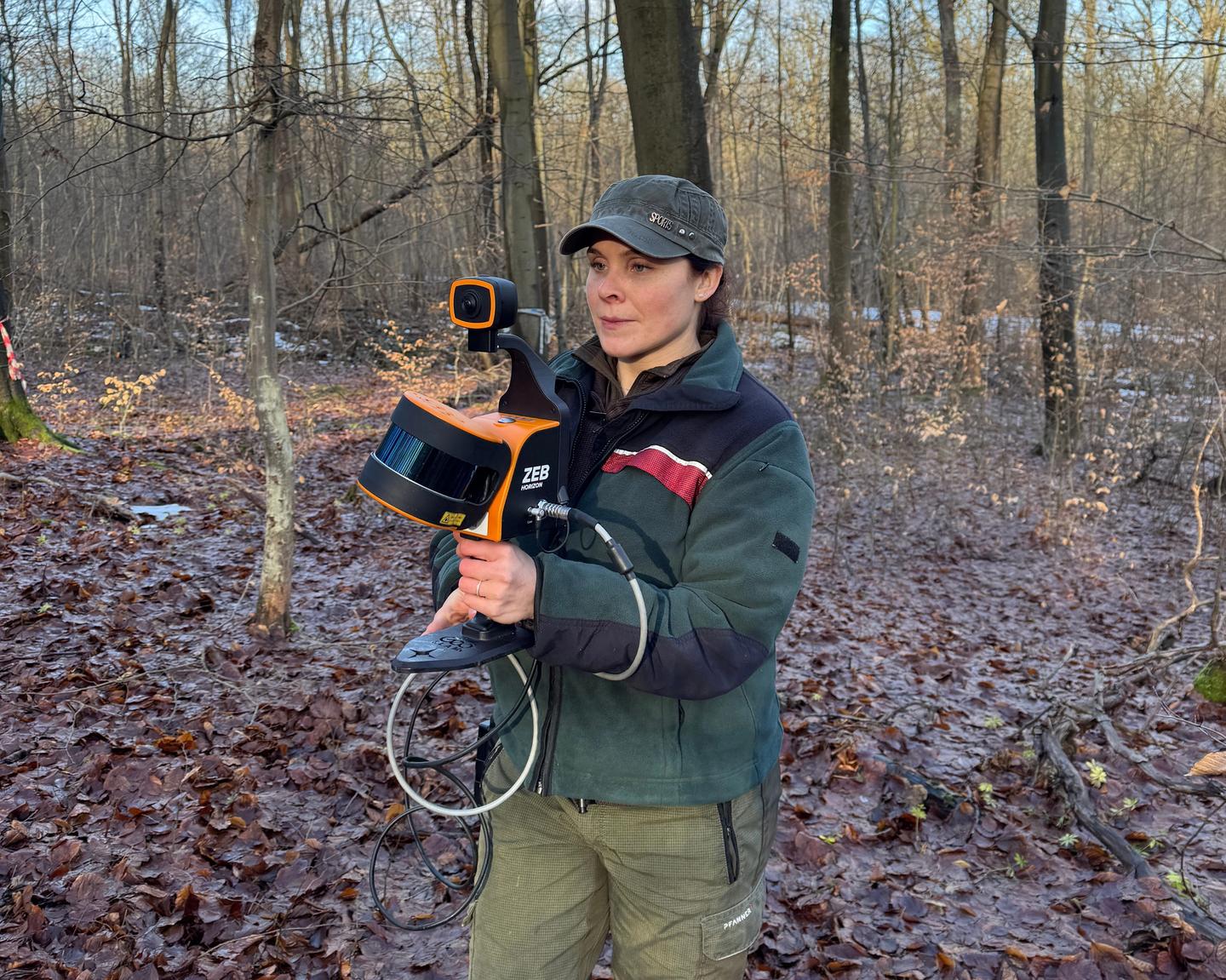
Laser scanning (LiDAR) is a modern method for mapping forest structures. It involves emitting laser beams and measuring their reflections. This data is used to create high-resolution three-dimensional models of the forest.
Mobile laser scanning (MLS) is primarily used to map forest structures. Compared to traditional measurement methods, it enables rapid, precise mapping of forest areas without interfering with the natural environment. This allows for the determination of key characteristics such as tree height, stem diameter, wood volume, biomass, and carbon storage.
The method also helps document changes caused by storms, drought, or pest infestations and compare different forest types. The data obtained provides a valuable foundation for better understanding the development of forest ecosystems and developing strategies for climate-resilient forest management.
Tower Station – A measuring tower above the treetops

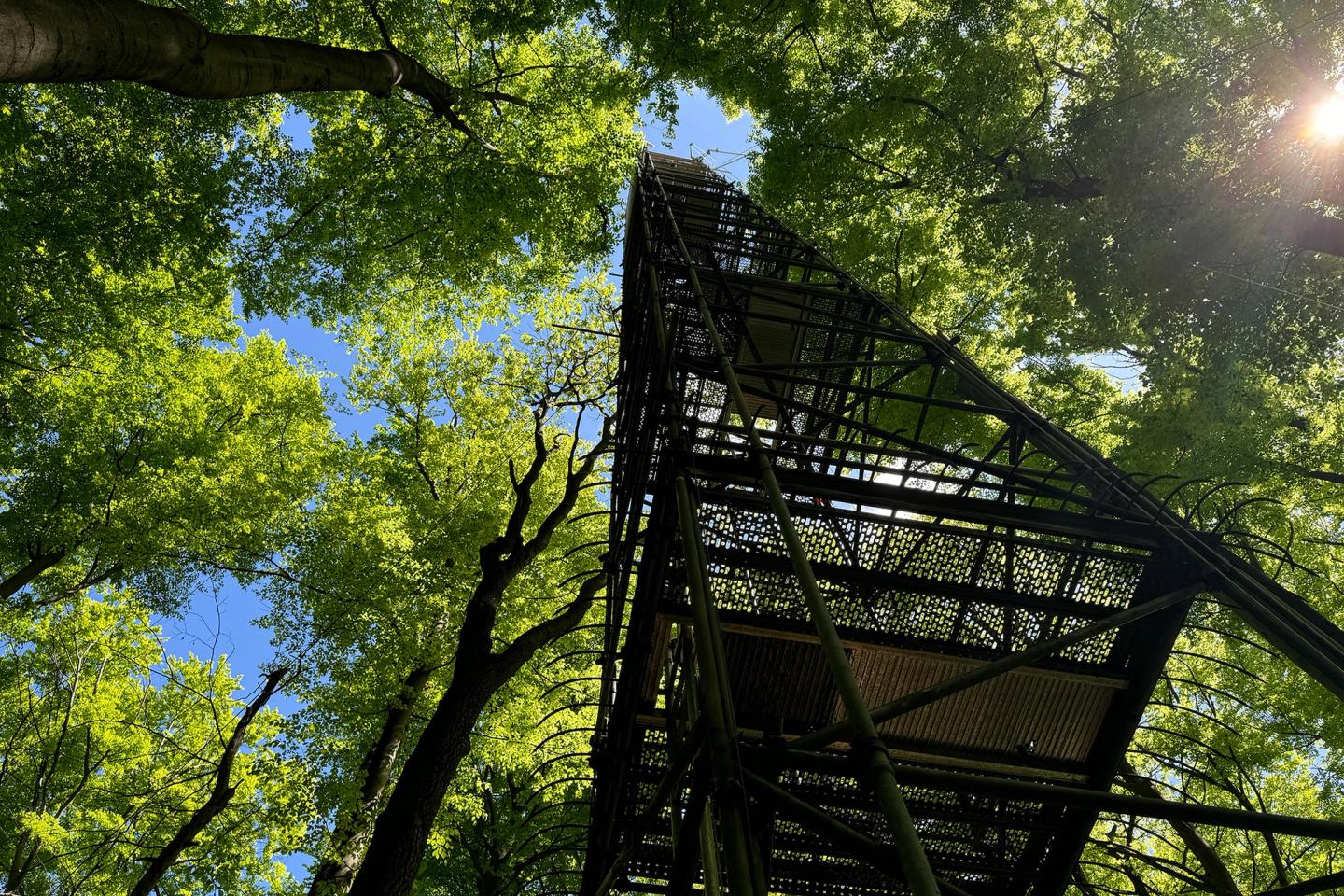
The measurement tower is used to study the exchange of carbon dioxide (CO₂), water vapor, and energy between the forest and the atmosphere. To this end, instruments located 44 meters above the ground continuously collect data on air movements as well as CO₂ and water vapor concentrations.
The method used is called eddy covariance. It measures small air eddies above the forest canopy that transport CO₂, water vapor, and heat. Based on the rapid fluctuations in air movements and concentrations, it is possible to calculate how much carbon, water, and energy are exchanged between the forest and the atmosphere.
This makes it possible to determine whether a forest absorbs or releases CO₂ and how drought, heat, or other weather conditions affect its function. The measurements provide important insights into how forests respond to climate change and how their role as carbon sinks might change in the future.
Sap Flow – Understanding Water Transport in the Forest

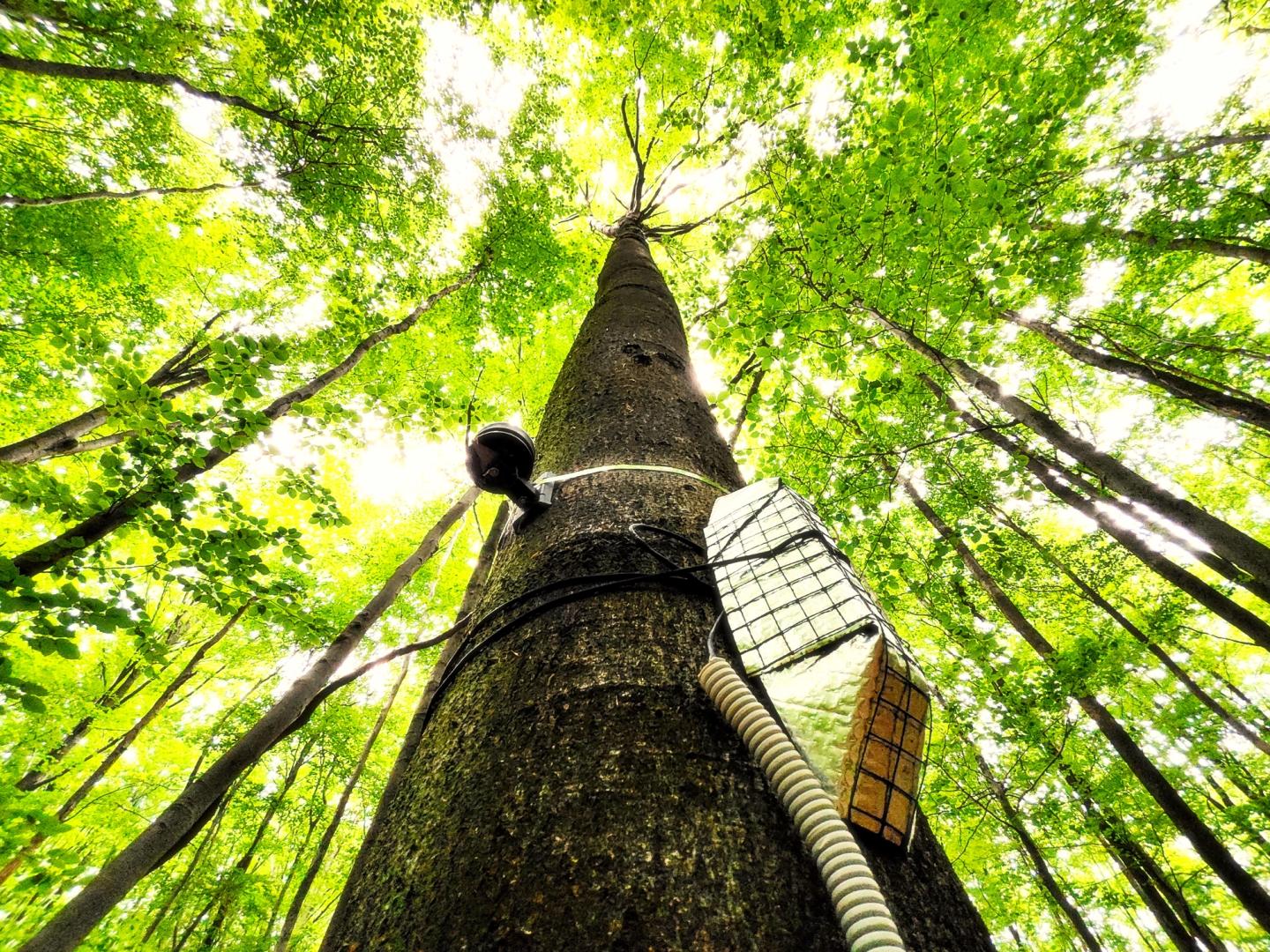
The increasing frequency of dry spells poses major challenges for forests, particularly with regard to the water balance of trees. Due to their long lifespan, trees have limited ability to adapt to rapidly changing climatic conditions. Research is therefore being conducted to determine how forest stands with different structures—that is, forests with varying horizontal and vertical structures—respond to drought stress and which factors influence their resilience.
The focus is on processes that reveal how trees absorb, transport, and store water. To this end, modern measurement methods are employed directly in the forest. So-called dendrometers—measuring tapes that measure a tree’s circumference—as well as sap flow sensors record how tree growth and water transport change throughout the day.
In addition, tree rings are analyzed, which allows researchers to draw conclusions about past water availability and the trees’ response to periods of drought. This provides insights into past water availability and the trees’ response to periods of drought. The result is a detailed picture of how beech forests cope with drought and which forest structures are particularly beneficial in this context.

Duel in the Tree Tops
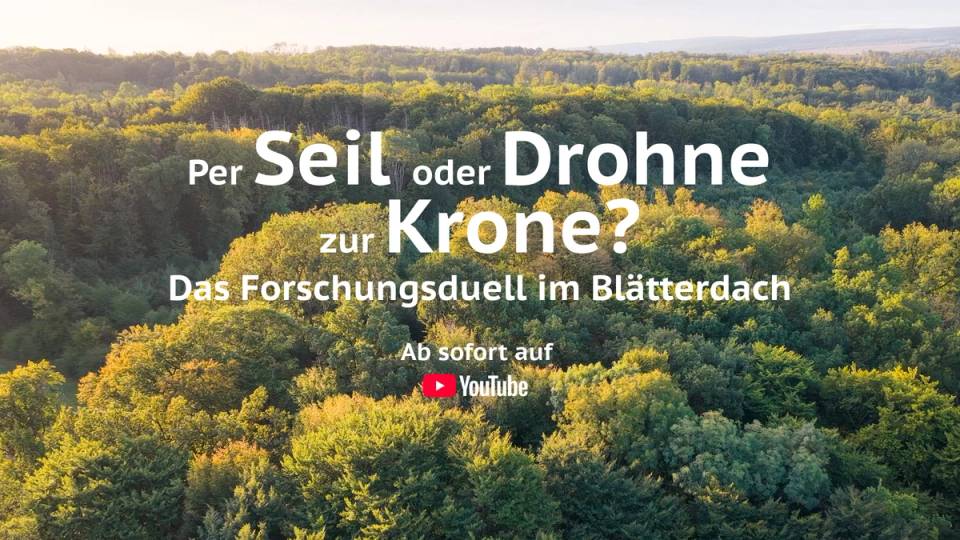
A video from the FoResLab Climate and Future Laboratory on the topic “Reaching the Canopy by Rope or Drone—The Research Showdown in the Tree Canopy” also offers insight into the work being done to study the health of the forest: https://www.youtube.com/watch?v=CSGO046Ahqo
Experiencing Forests in Transition – Insights Through 360° Images

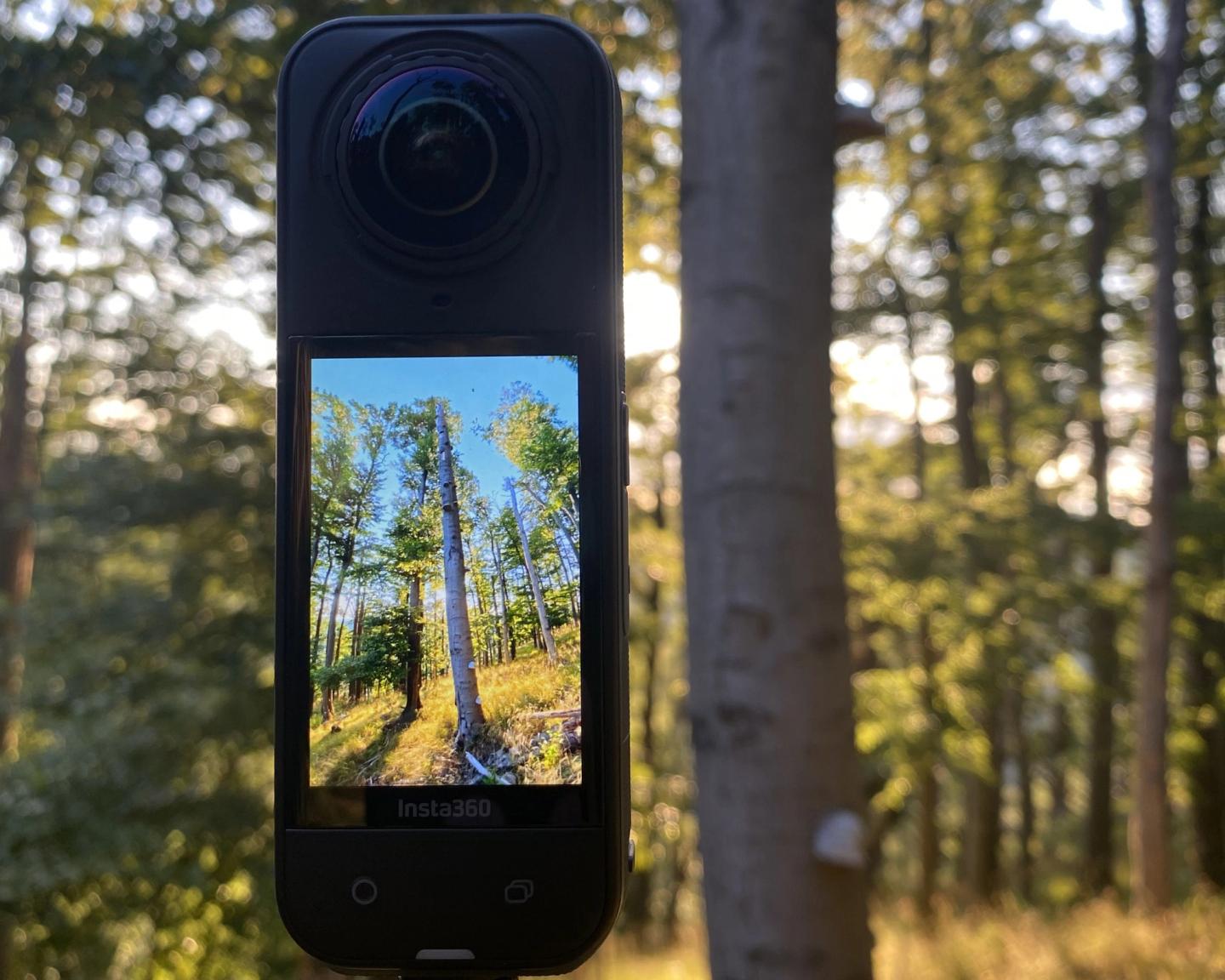
360° images enable realistic nature shots that can be experienced as a panoramic view either digitally or through virtual reality headsets. In perception research, they offer the opportunity to experience different forest conditions regardless of time and place.
This technology is being used to investigate how people perceive climate change-related changes in the forest. Through an online questionnaire, participants evaluate various forest conditions, which were also combined with varying levels of bird song diversity. The study tracks how factors such as biodiversity, closeness to nature, and personal well-being influence these perceptions.
Together with other findings from the questionnaire, this provides insights into the public’s knowledge, connection to nature, and attitudes. These insights can help tailor educational and communication initiatives on the topic of forests and climate change more effectively.
Tree Hydrology and Climate Change – How Do Forests Respond to Drought and Heat?

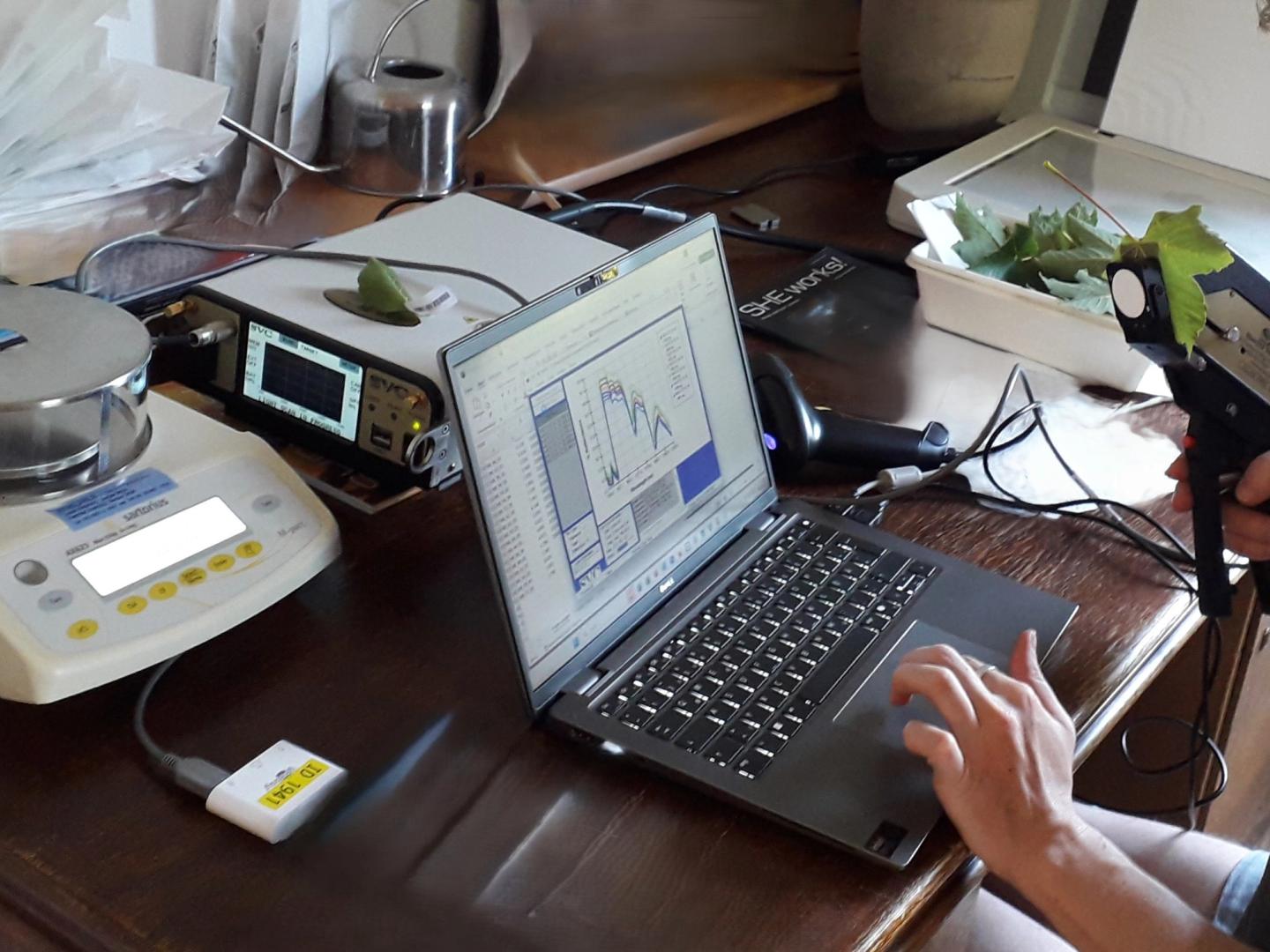
Droughts and heat waves, which are becoming more frequent due to climate change, are placing forests under increasing stress. To better understand how trees cope with these stresses, researchers are studying the water supply of various tree species and their ability to adapt to drought and heat stress.
The focus is on tree hydrology—that is, how water is transported and utilized within a tree. If this water transport is disrupted, it can have serious consequences for the health of the trees.
Various deciduous tree species in managed and unmanaged forests are being studied. In addition to the hydraulic properties of branches and leaves, the researchers are using leaf spectroscopy. This method allows them to quickly and non-destructively measure leaf properties. Spectral measurements and statistical models also enable conclusions to be drawn about the chemical and functional properties of many other leaves.
This research helps us better understand which tree species and forest structures are particularly resilient to the effects of climate change.
Forest Inventory – Surveying the Forest

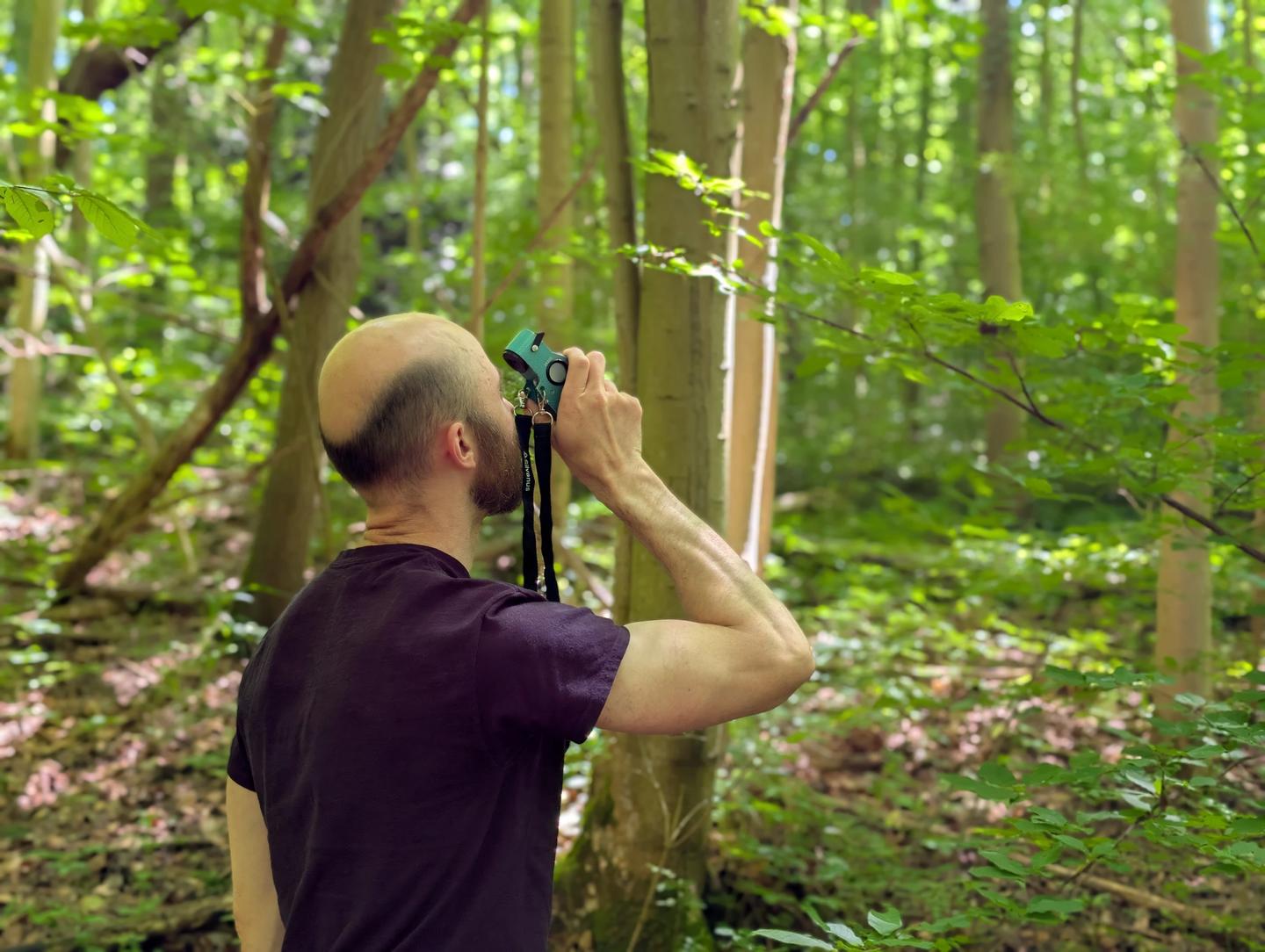
Forests serve numerous functions: They provide habitat for animals, plants, and fungi; store carbon; retain water; filter the air; and supply wood, a renewable resource. To assess these services, their characteristics must be accurately recorded.
During forest inventories, trees and other forest characteristics are systematically measured. Data collected includes, for example, tree species, tree heights, timber stocks, and the proportion of deadwood. Nationwide surveys such as the Federal Forest Inventory provide important information about the condition and development of forests in Germany. For individual forest areas, however, more detailed studies are often necessary to plan and evaluate specific measures.
Depending on the research question, various methods are used—ranging from traditional measuring tools such as tape measures and altimeters to modern acoustic measurement techniques. These methods provide precise insights into the structure of individual trees and entire forest stands and lay an important foundation for research and forest management.
More Posts
All
Climate Research Through Dialogue: “Climate Future Lower Saxony” Symposium 2026
First results are becoming visible – and with them, the question of how they can unfold their impact together with practice.
2 min. Reading time
Climate-Resilient Agricultural Landscapes in Lower Saxony
The sixth Climate Future Lab, AgRe-Lab, combines biodiversity and climate research with regional practice
2 min. Reading time

OpenPlanning Zine 03 "Somethings Cooking"
The zine shows how cooking together and co-creative urban design are sparking new ideas for a mobile climate garden in Braunschweig.
2 min. Reading time